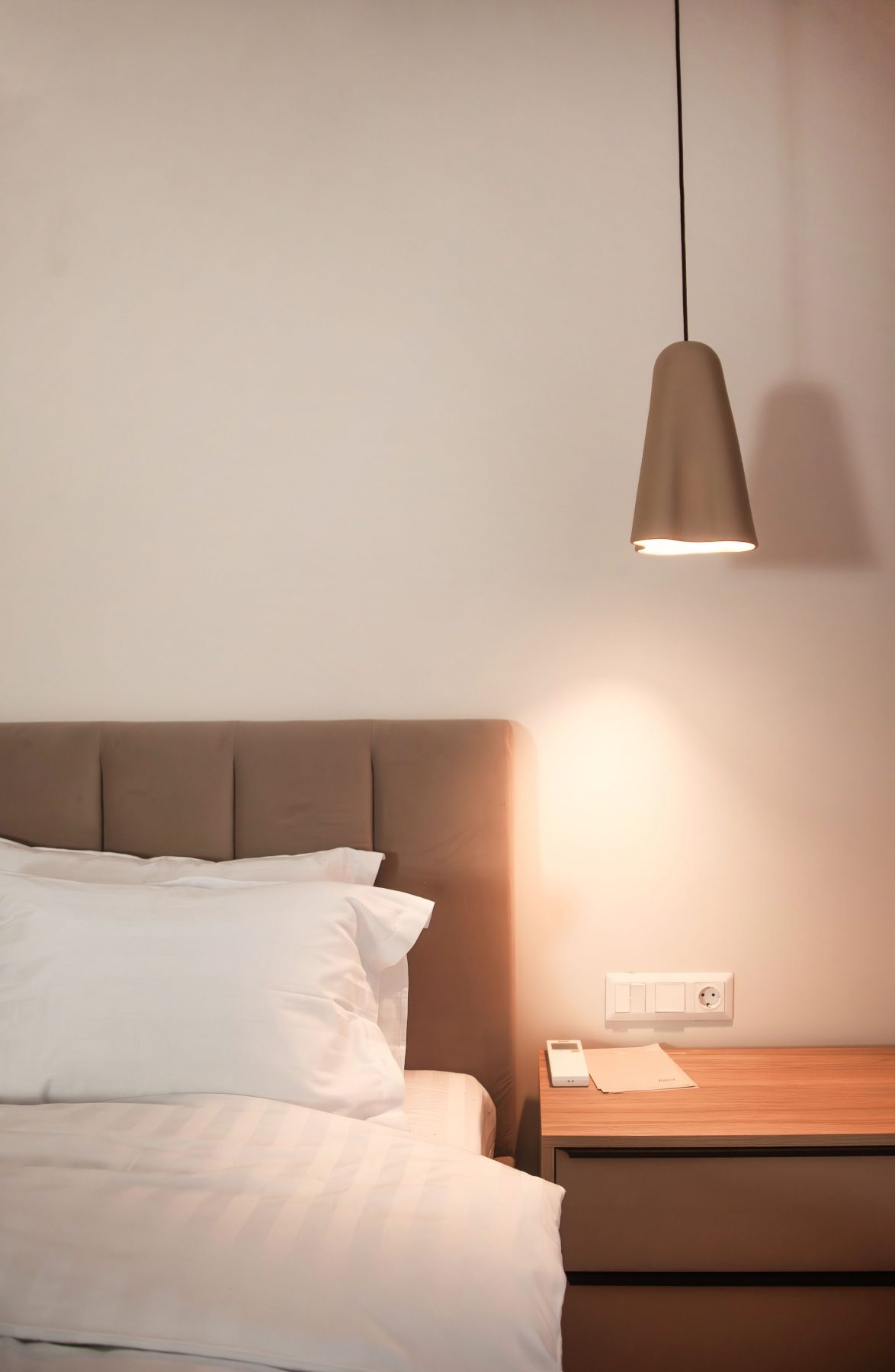
Sleep hygiene is a set of practices and habits that promote full, restful sleep.
Here is a list of important rules for maintaining sleep hygiene:
1. Keep a consistent sleep schedule
Go to bed and wake up at the same time every day, even on weekends. This helps regulate your body's internal clock.
2. Create a relaxing bedtime routine
Before bed, do calming activities, such as reading a book, taking a warm bath, or doing relaxation exercises.
3. Create comfortable sleeping conditions
Make sure your bedroom is dark, quiet, and at a comfortable temperature.
- The ideal temperature for sleep is 18.5 degrees Celsius.
- Buy a comfortable mattress and pillows.
4. Limit the time you use electronic devices
Avoid using electronic devices with screens (phones, tablets, TVs) at least an hour before bed. The blue light emitted by screens can disrupt your sleep-wake cycle.
5. Watch your diet
- Avoid large meals shortly before bedtime.
- Limit your fluid intake in the evening to reduce the number of times you wake up at night to go to the bathroom.
6. Avoid caffeine
It is best to refrain from consuming any caffeine (coffee, tea, cola, chocolate) after 2:00 PM.
7. Avoid alcohol
It is best to avoid drinking alcohol 4-6 hours before bedtime. Many people use alcohol to relax and fall asleep. This should be avoided as it can significantly impair the quality of your sleep.
8. Exercise regularly
Engage in physical activity regularly, but avoid intense exercise shortly before bedtime.
- A brisk walk in the evening after dinner can improve sleep quality.
9. Fight stress
Practice stress-reduction techniques such as meditation, deep breathing, or yoga to calm your mind before bed.
10. Avoid daytime naps
It is better to avoid daytime sleep.
- If you need to nap during the day, keep it short (20–30 minutes) and avoid sleeping after 3 p.m.
11. Limit your exposure to light in the evening.
- Use blackout curtains to block out outside light sources that may interfere with sleep.
- If you have to work on a computer screen right before bed, use blue light blocking glasses.
12. Avoid constantly watching the clock
Constantly checking the time can increase anxiety about not being able to sleep. If necessary, put the clock out of sight.
13. Use the bed exclusively for sleep and intimacy
Avoid working, watching TV, or using your laptop in bed. Your brain should associate your bed with sleep.
14. Get natural light after waking up
- Spend time outdoors during the day to help your body regulate its natural sleep-wake cycle.
- Turn on the lights first thing in the morning.
15. Don't toss and turn in bed.
If you can't fall asleep or wake up in the middle of the night and can't get back to sleep, get out of bed and do something relaxing until you feel sleepy.
- Avoid exposure to light.
- Listening to an audiobook in the living room is normal.
- Avoid eating, housework, etc.
- Only go back to bed when you feel sleepy.
16. Be consistent, even on weekends
Stick to your sleep schedule on the weekends to avoid disrupting your circadian rhythm.