Longevity medicine · Preventive medicine

Scientific work

Longevity starts with what can be measured, and with the habits you put in place today.

Our approach

Forest Retreat Center works where preventive medicine meets the science of aging.

We start from a simple premise: aging can be measured, and most of the factors that speed it up can be corrected. That is why every programme is built around specific biomarkers and readings that reflect your biological age and how fast your body is aging, rather than around general «wellness».

The Holosiivskyi forest here is part of the protocol, not the scenery. Clean air, quiet and a natural daily rhythm act directly on the two processes we work with most closely: cellular aging and sleep quality.
Why this matters now

Ukraine is going through one of the deepest demographic crises of our time. According to the Ministry of Justice, about 169,000 children were born in the country in 2025, while more than 485,000 people died. That is three deaths for every newborn, and in front-line regions mortality exceeds births by four to eight times. Even in Kyiv, the region with the highest birth rate in the country, around 19,000 children were born last year against more than 36,000 deaths.

169 000 births in Ukraine, 2025
485 000 deaths in the same year
1 : 3 one newborn for every three deaths

The war accelerated a process that had been underway for decades. In this reality every life saved and every healthy year carries particular weight. Longevity medicine becomes a way to stay capable, healthy and needed by your family and your country for longer.

Our work is to reduce premature mortality where it can be prevented, and to add years of active, full life.

Research areas

The medical research work of Forest Retreat Center is built around the following topics:

  • the biology of aging and biomarkers of biological age
  • telomere length as an indicator of cellular aging
  • sleep as the foundation of recovery and longevity, including sleep disorders in wartime
  • vaccination and prevention of infections brought back from exotic countries
  • clinical nutrition: building personal diets based on laboratory tests
  • longevity habits and the evidence behind them
  • personalised prevention based on diagnostics
  • chronic low-grade inflammation as an accelerator of age-related processes
  • nutrition, movement and stress management as tools that influence how fast we age

Our research team

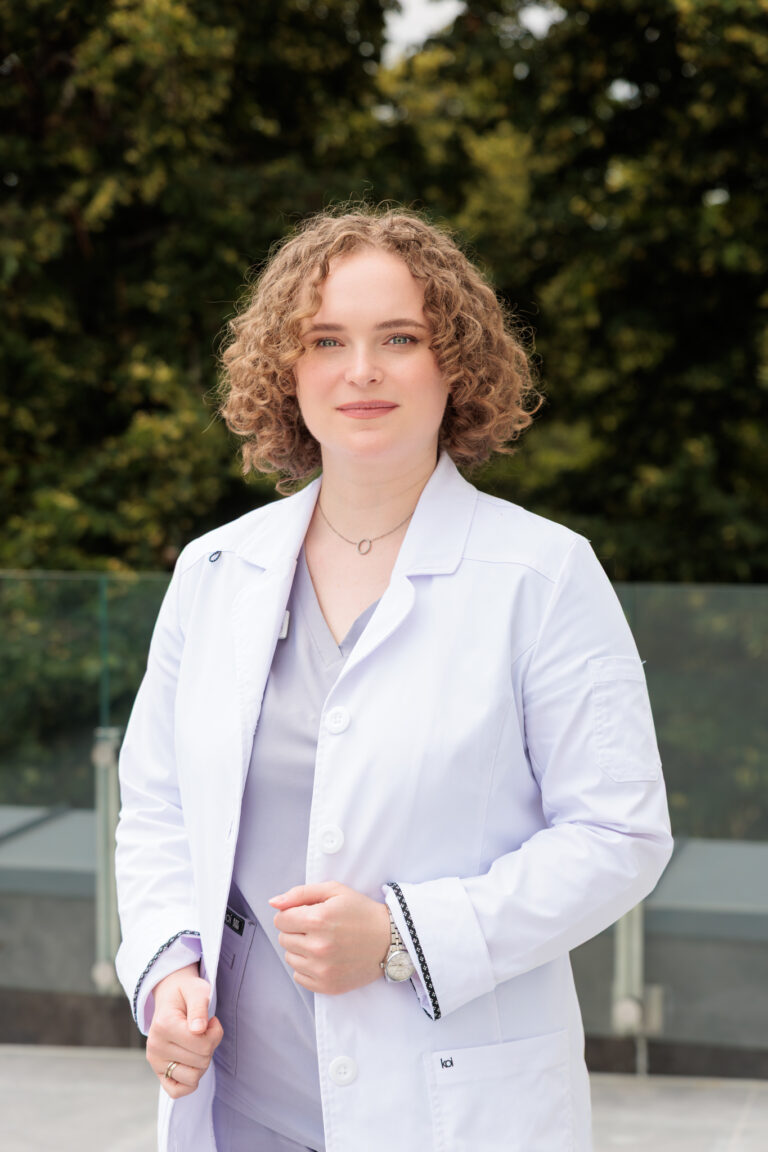
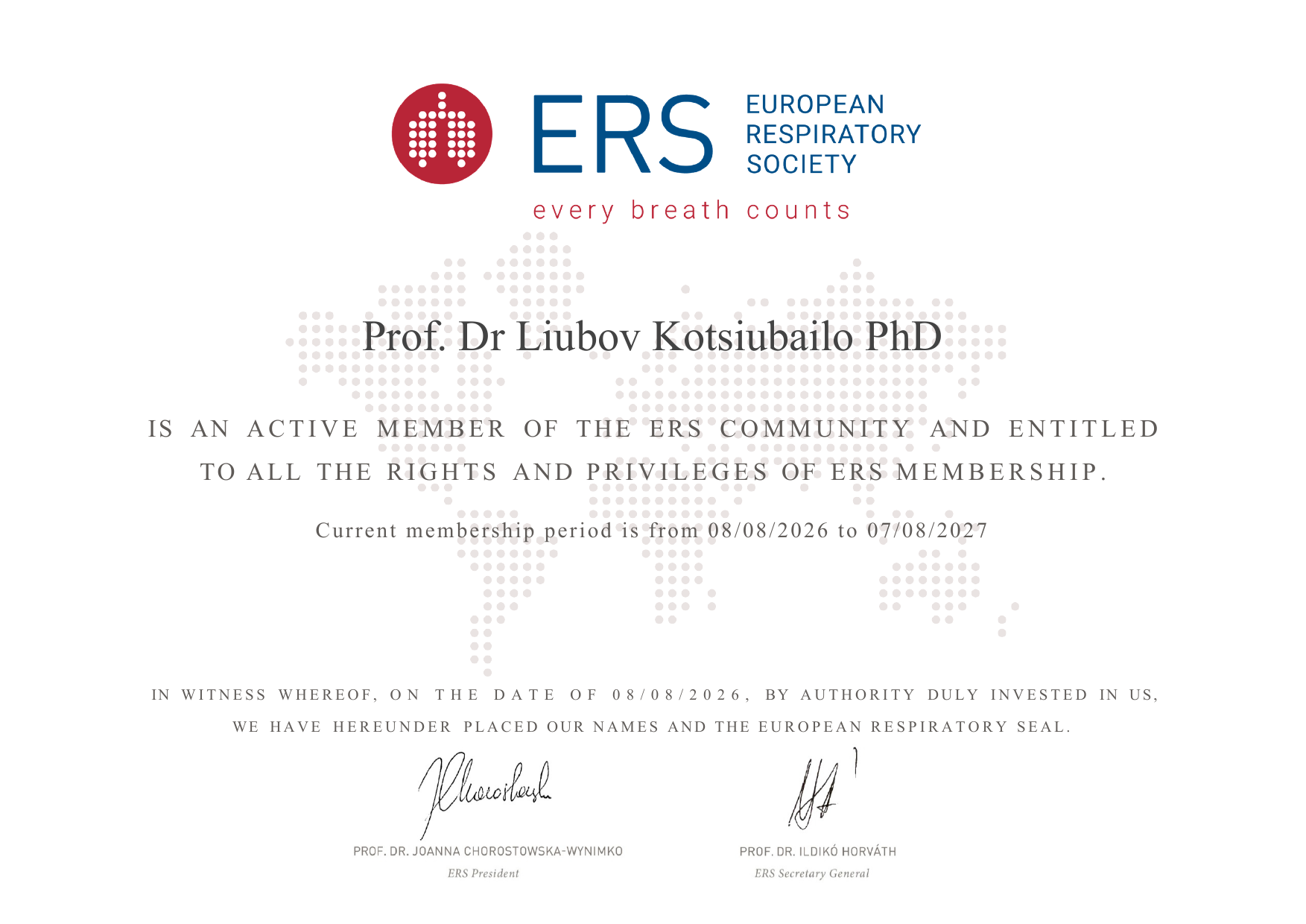
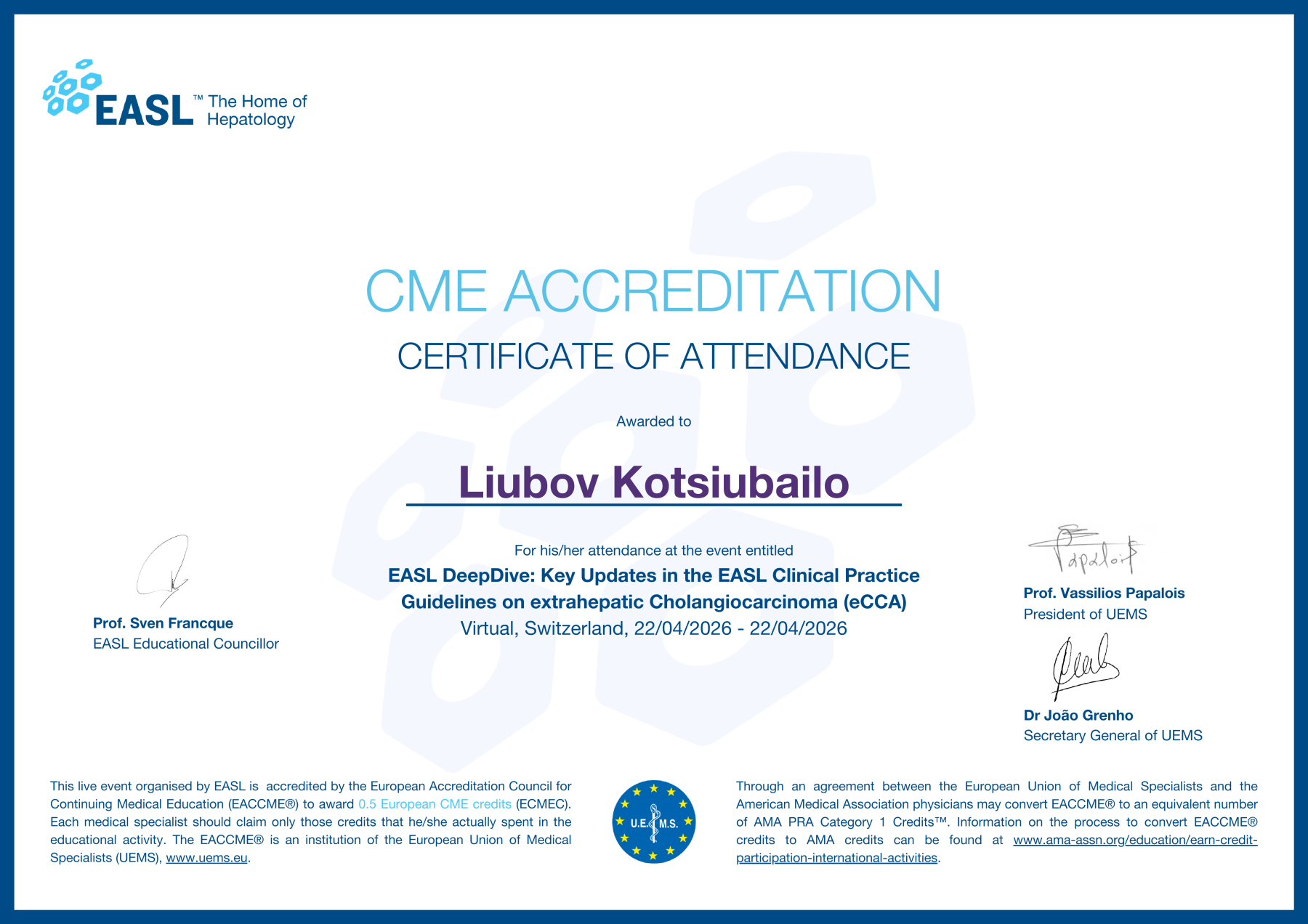
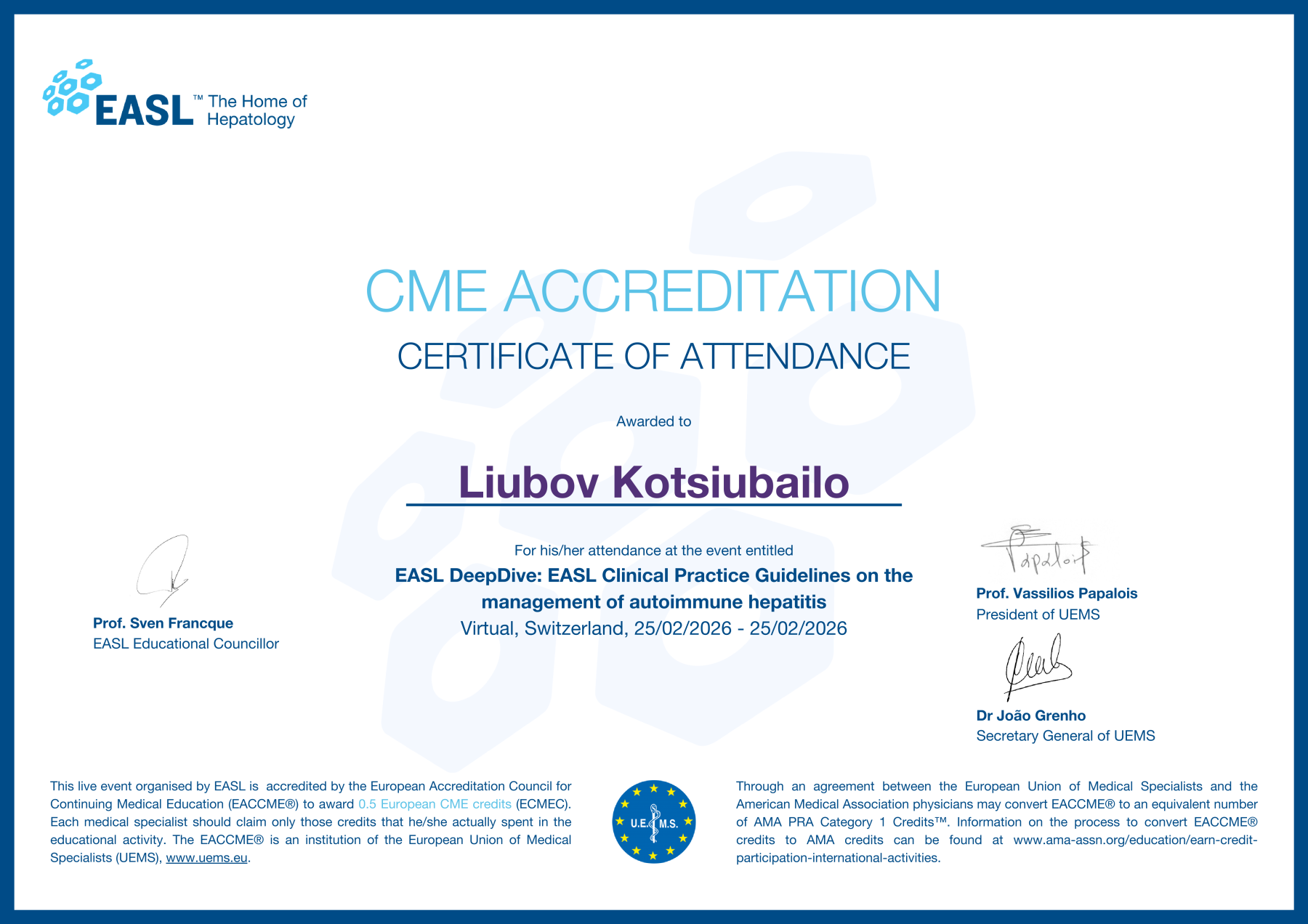
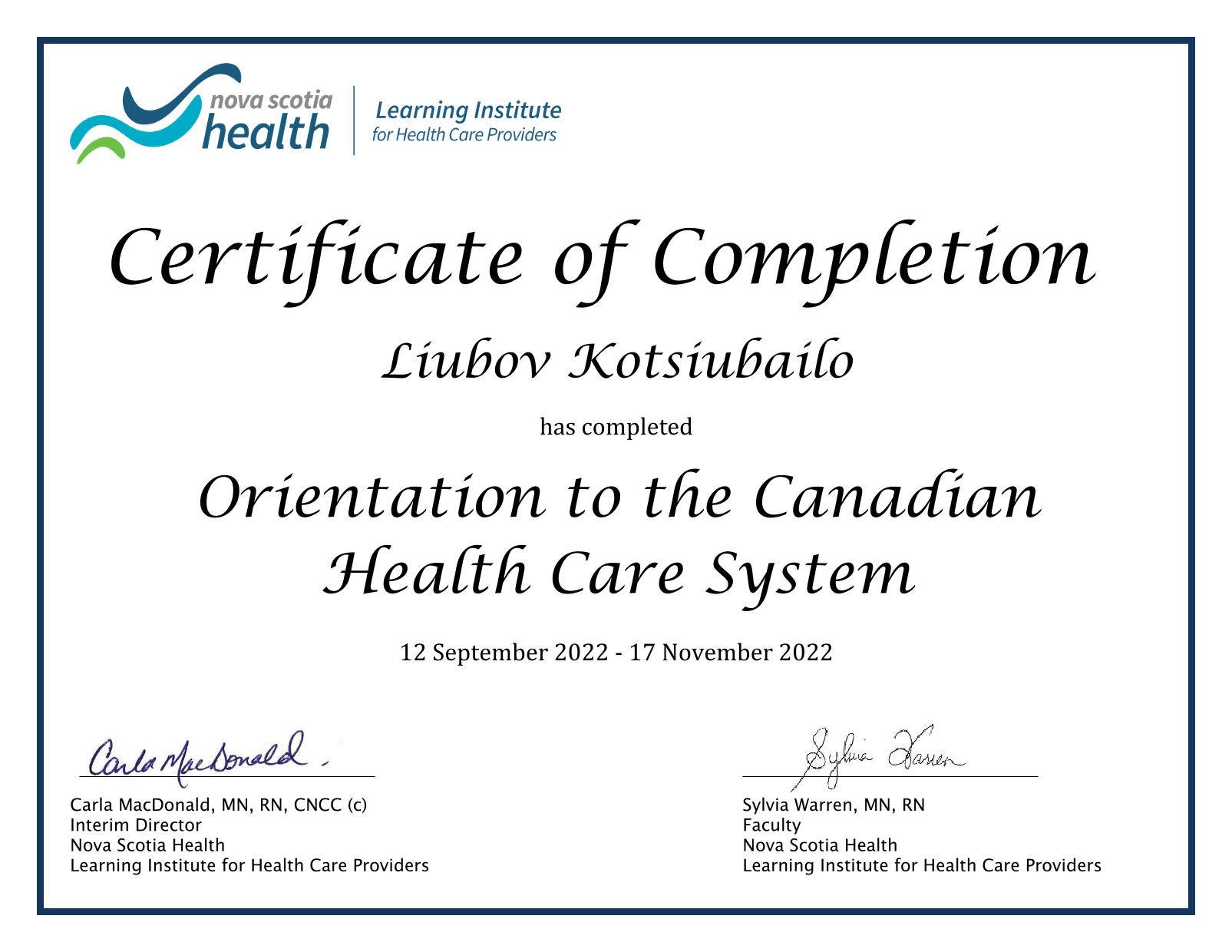
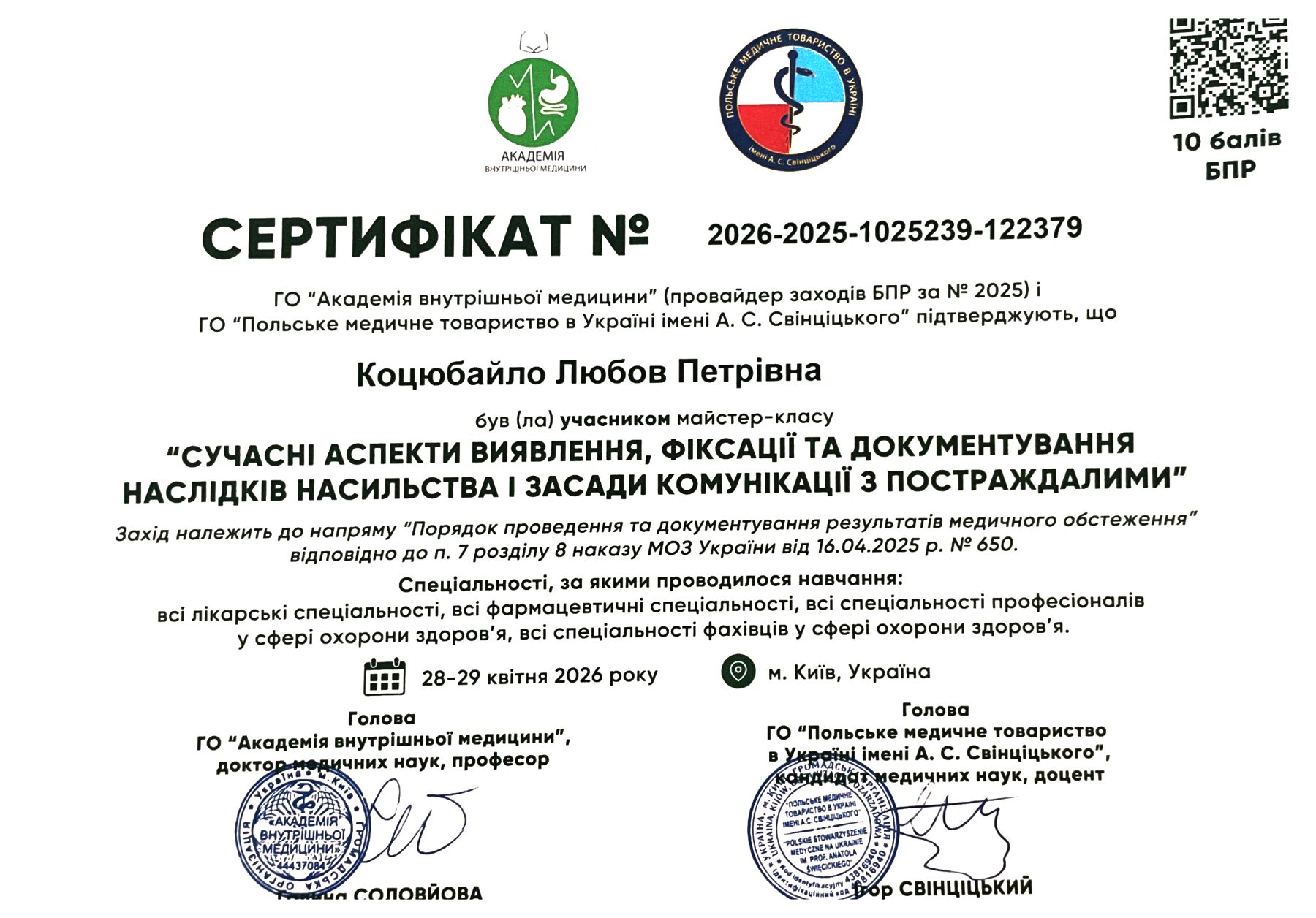
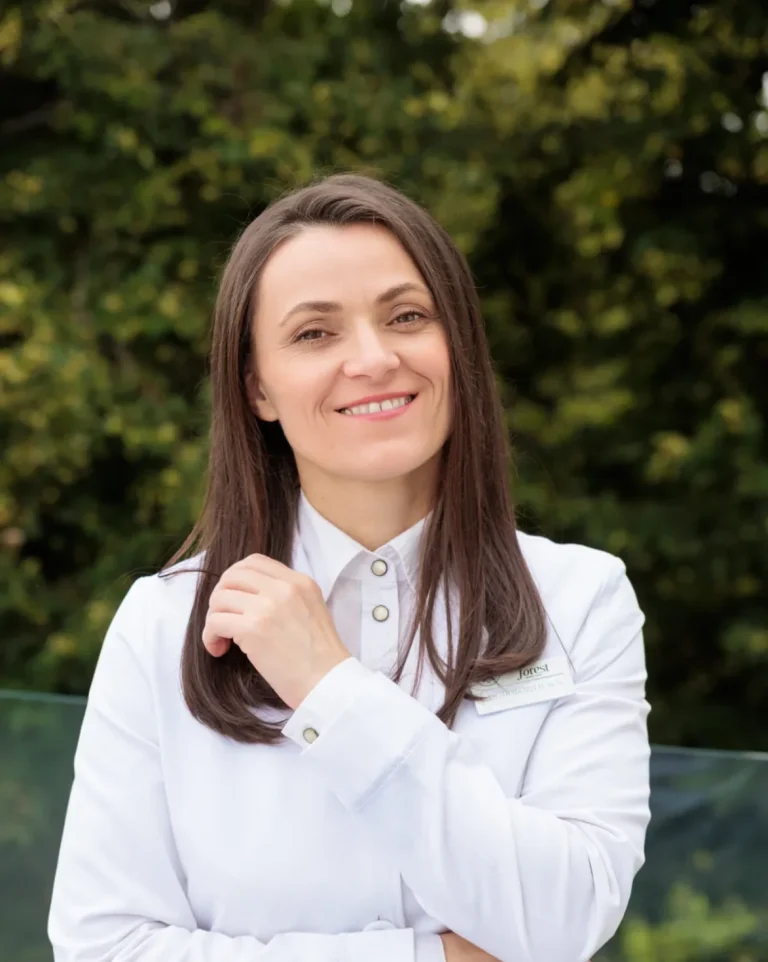
The clinical protocols of Forest Retreat Center rest on evidence-based medicine. Our medical research work is led by Liubov Kotsiubailo, MD, PhD, Associate Professor at the Department of Infectious Diseases of Shupyk National Healthcare University of Ukraine, infectious disease physician of the highest category.

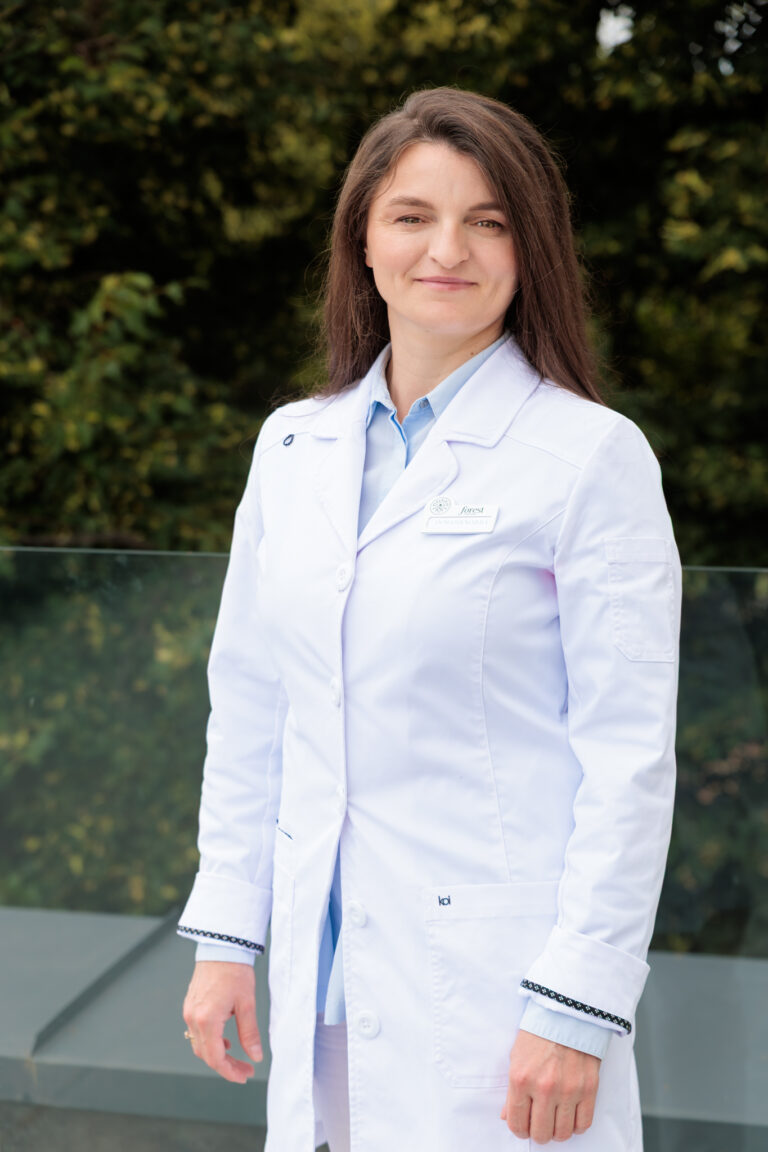
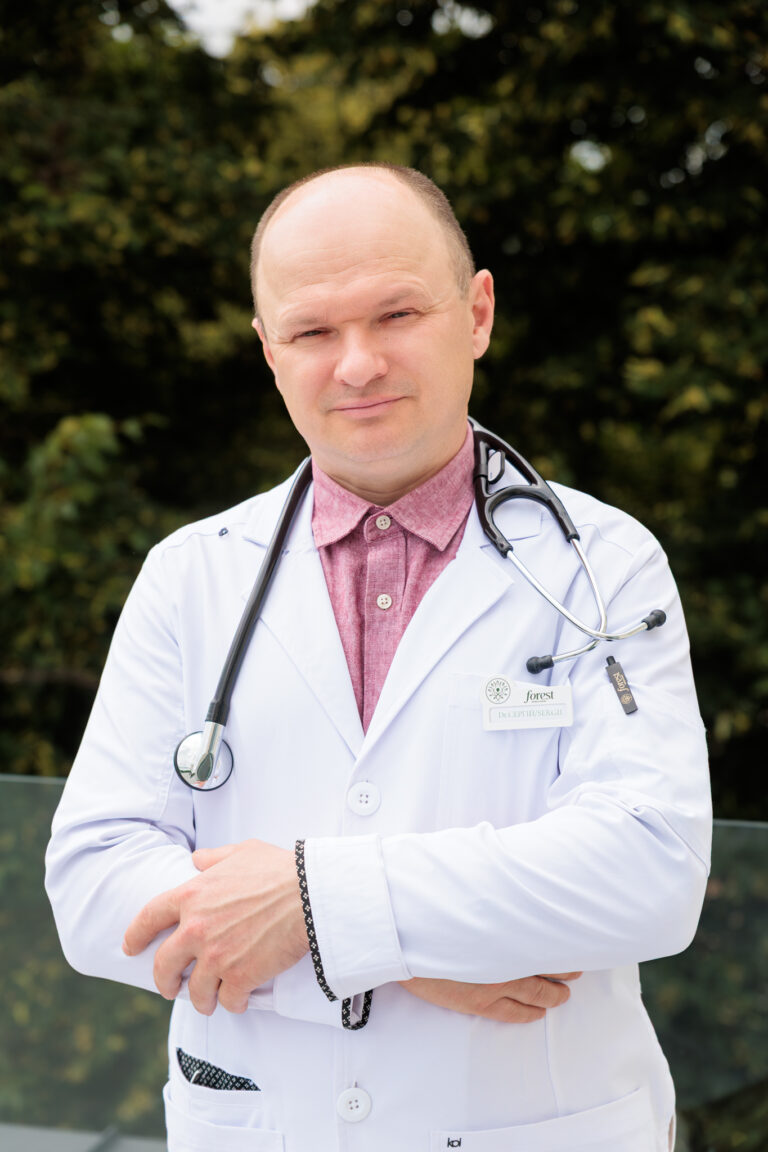
Medical Director of the Center – Serhii Ponchko, physician of the highest category and head of the research team, responsible for preventive medicine, diagnostics and longevity strategy.

Membership of doctors in associations

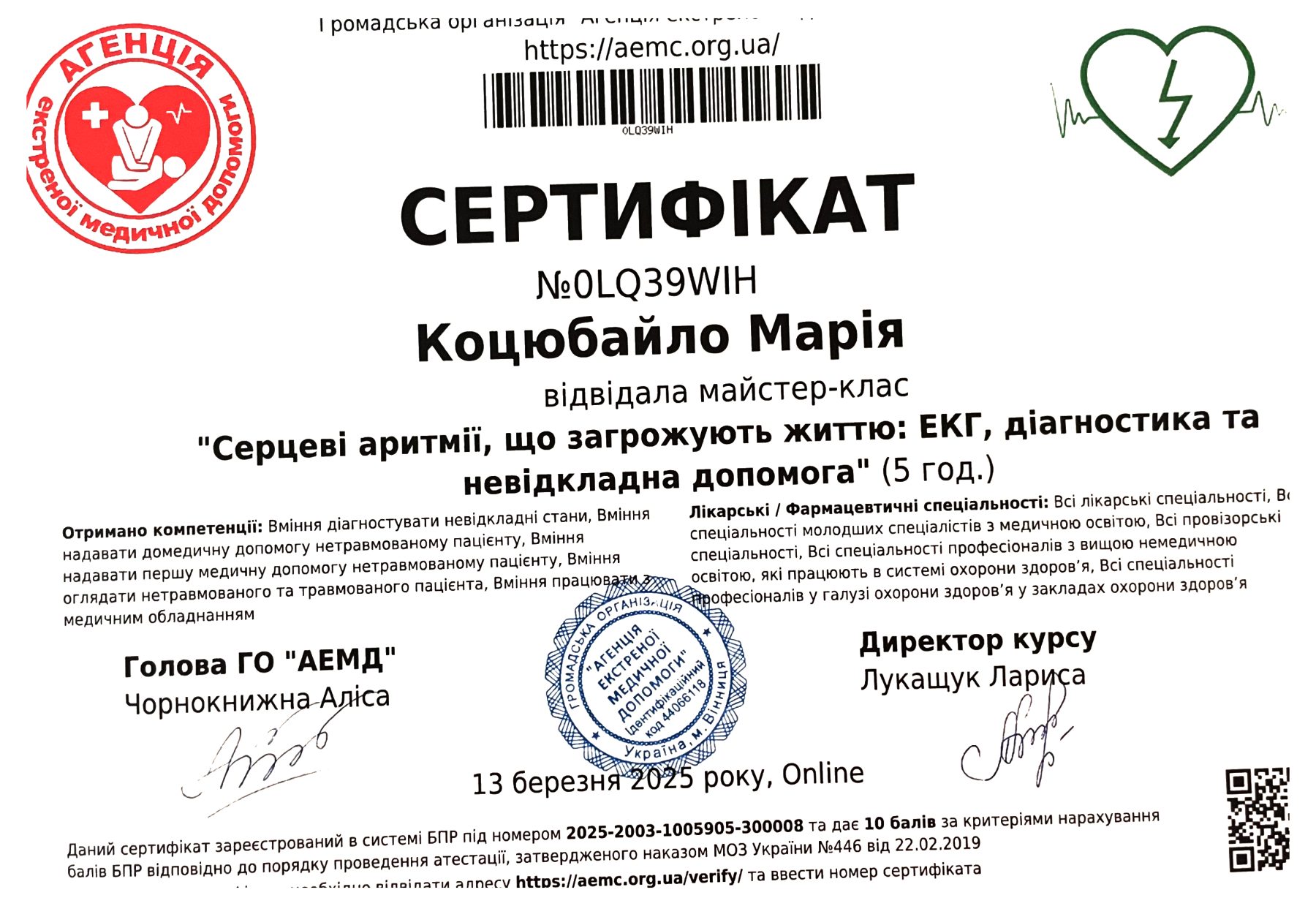
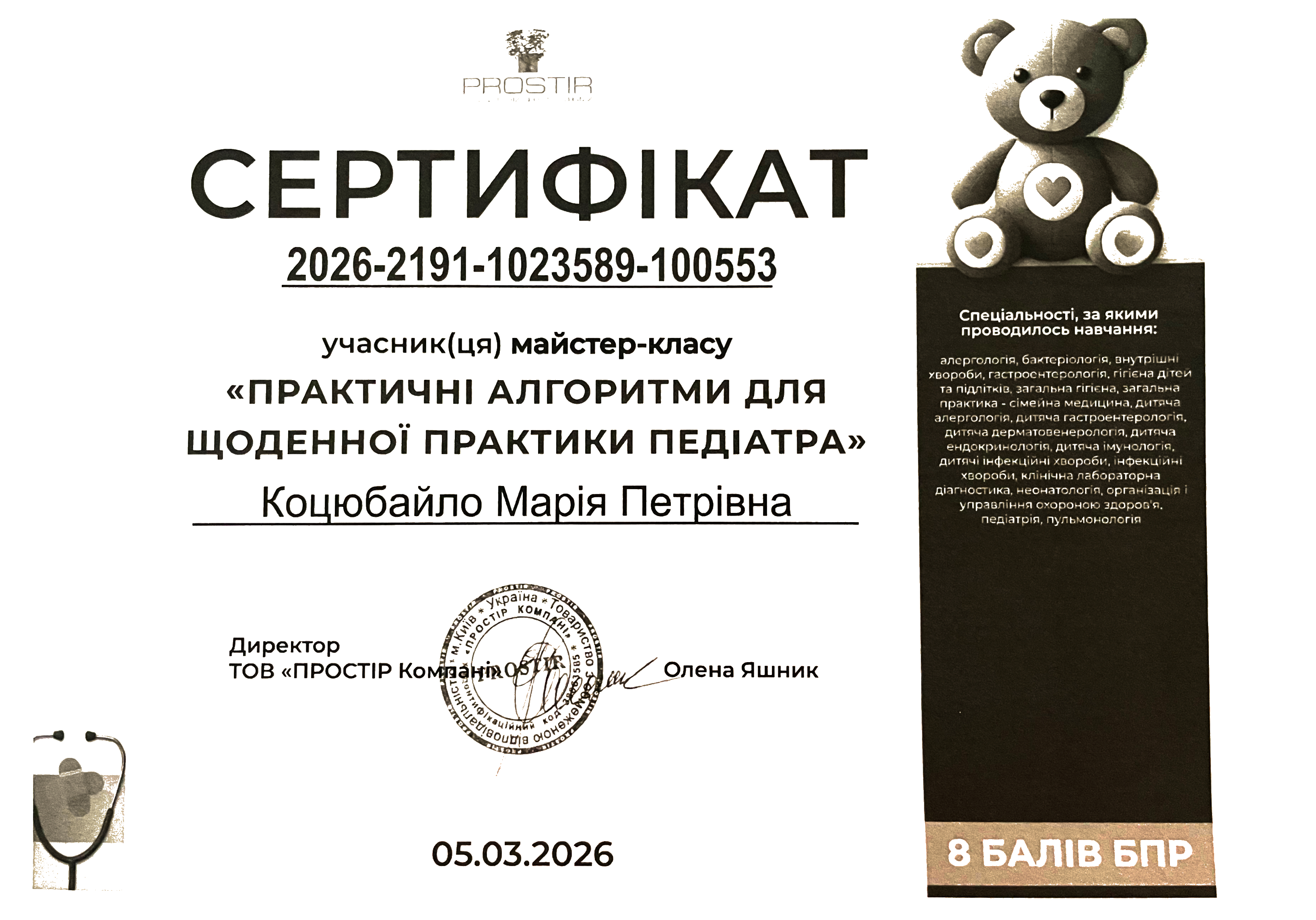
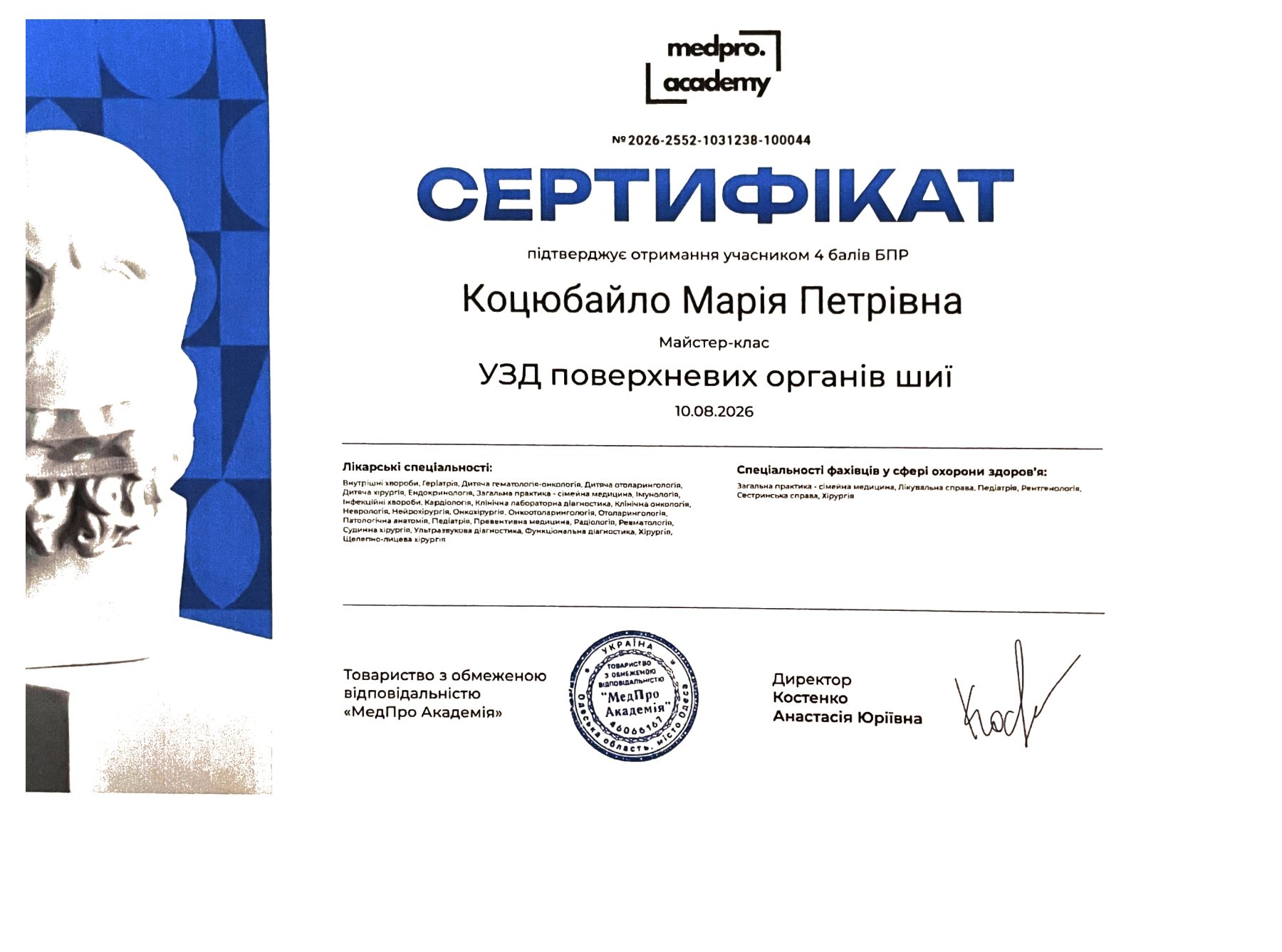
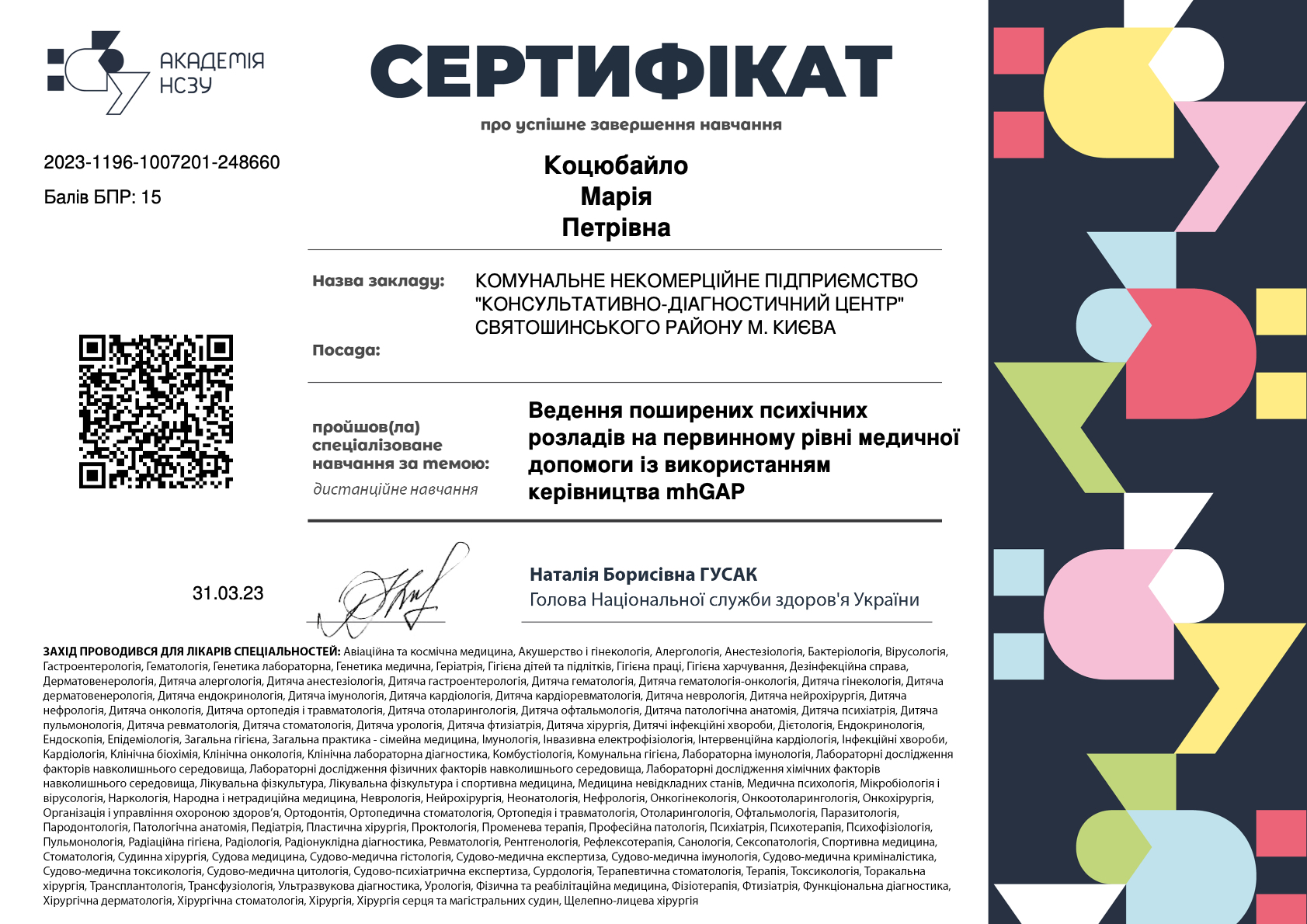
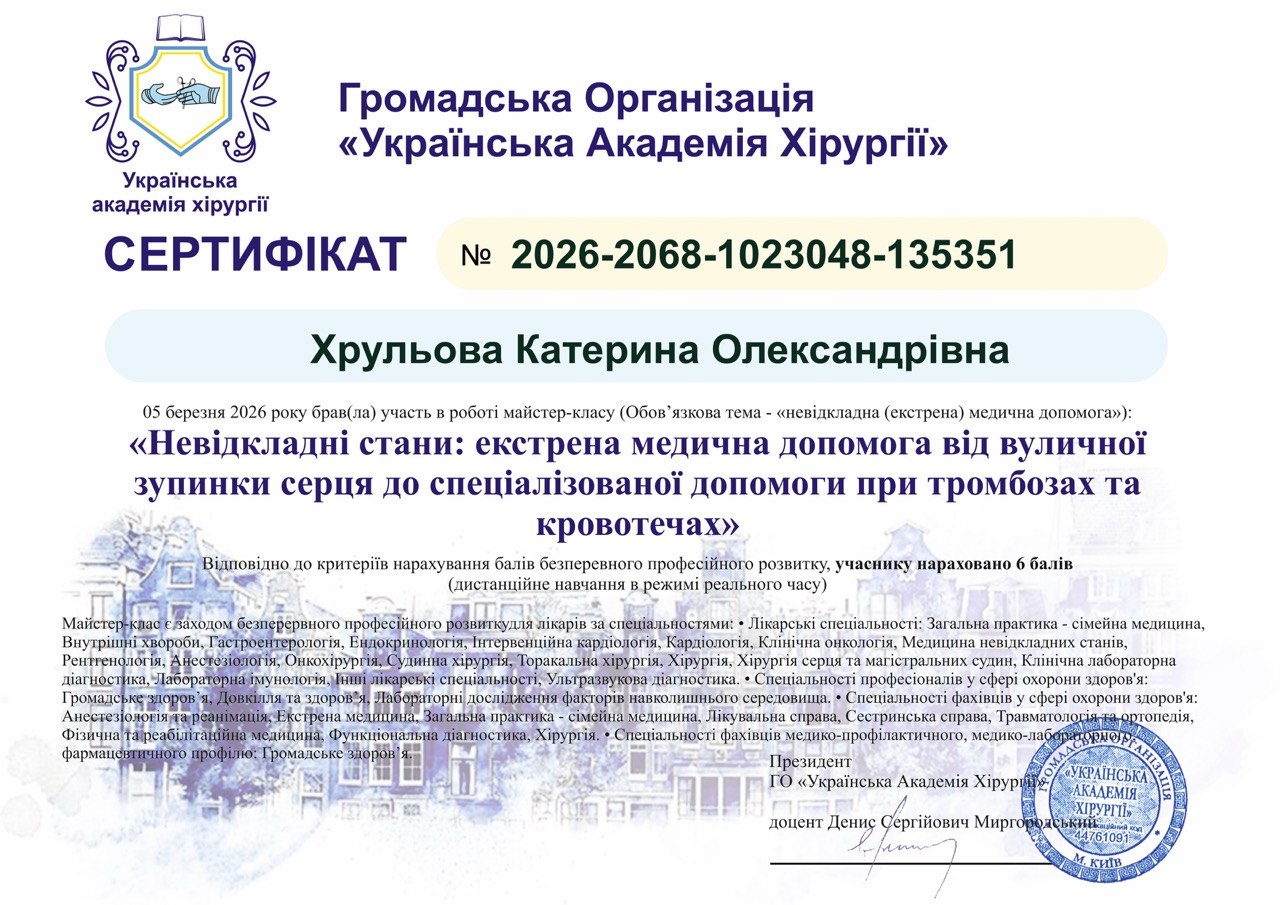
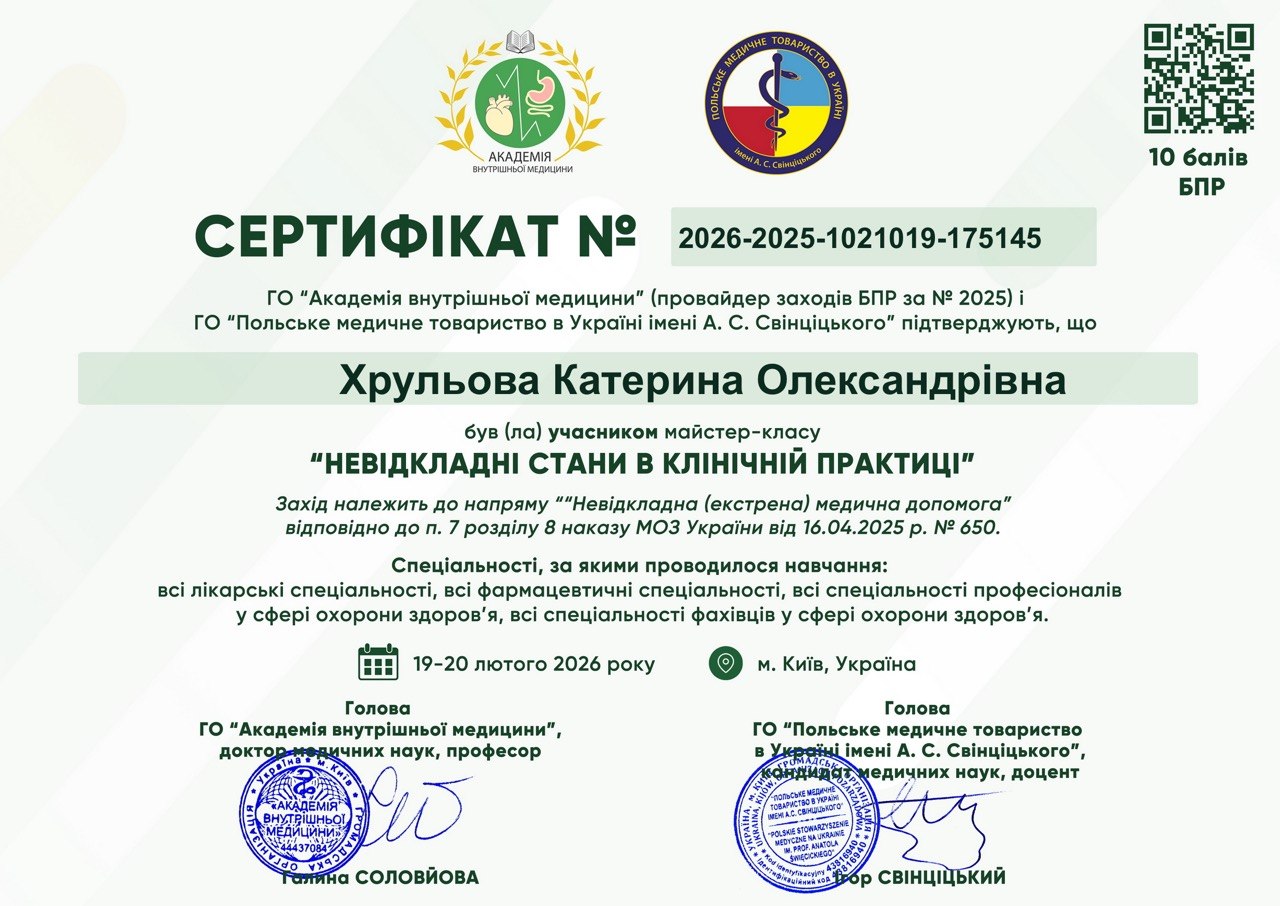
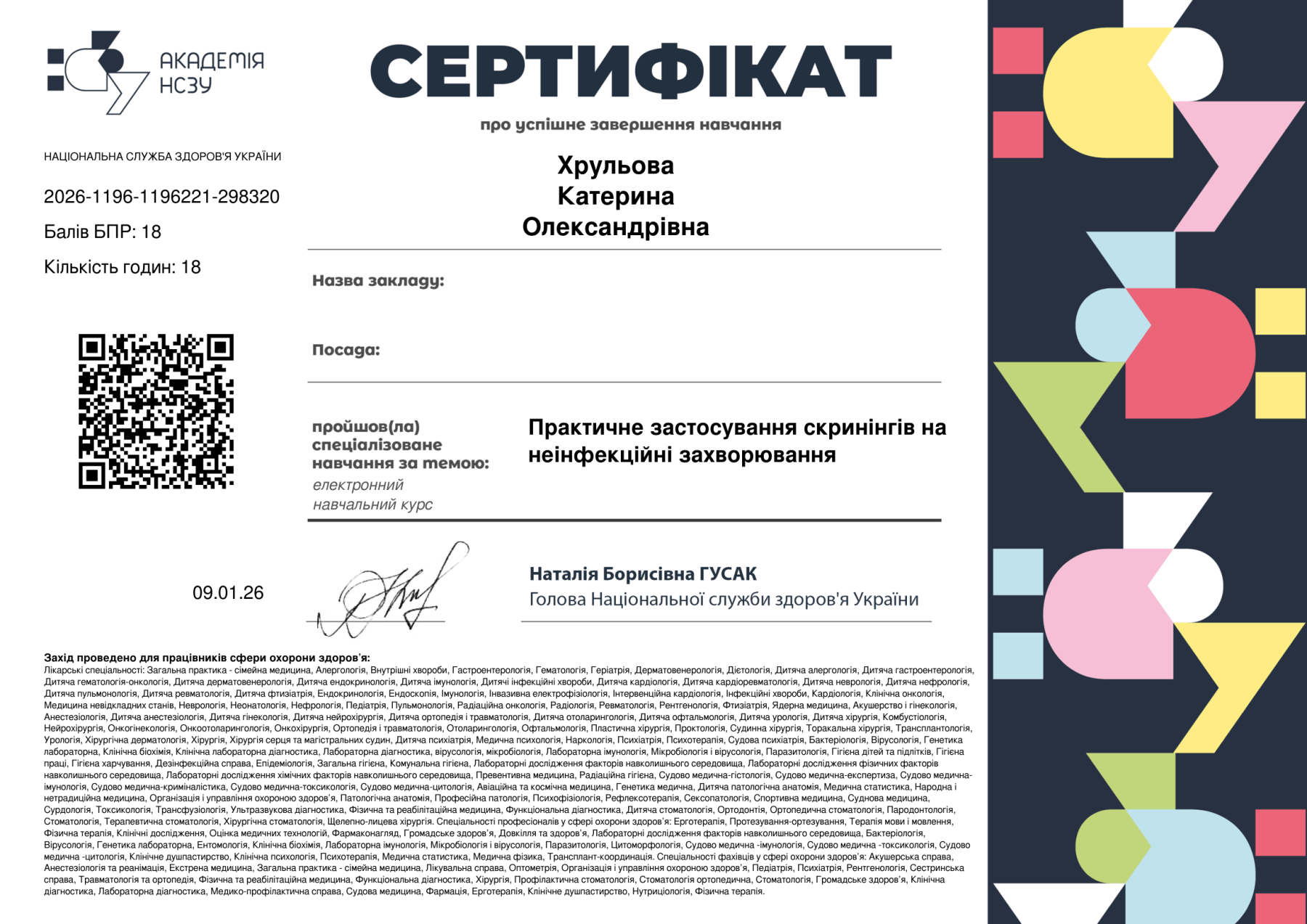
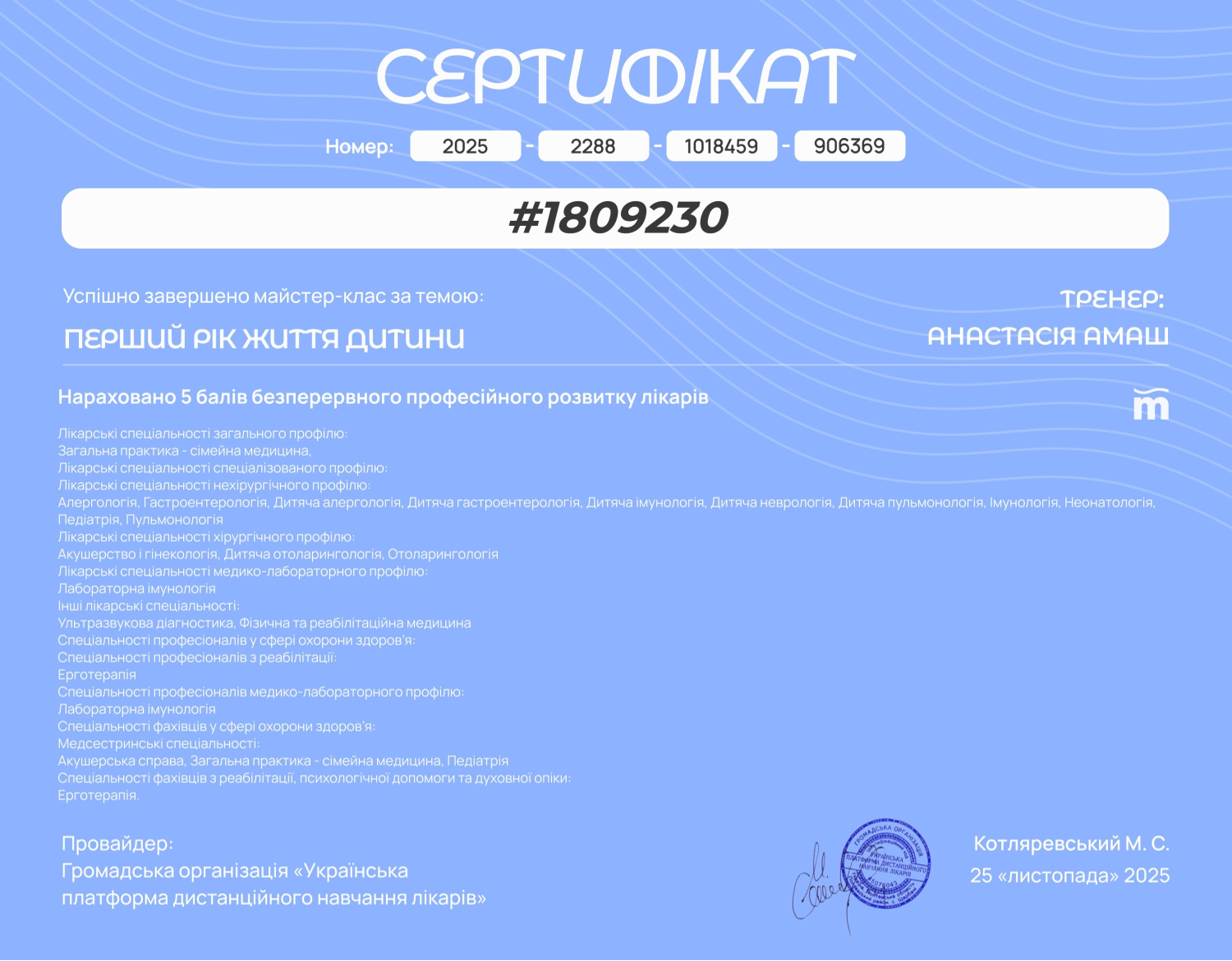
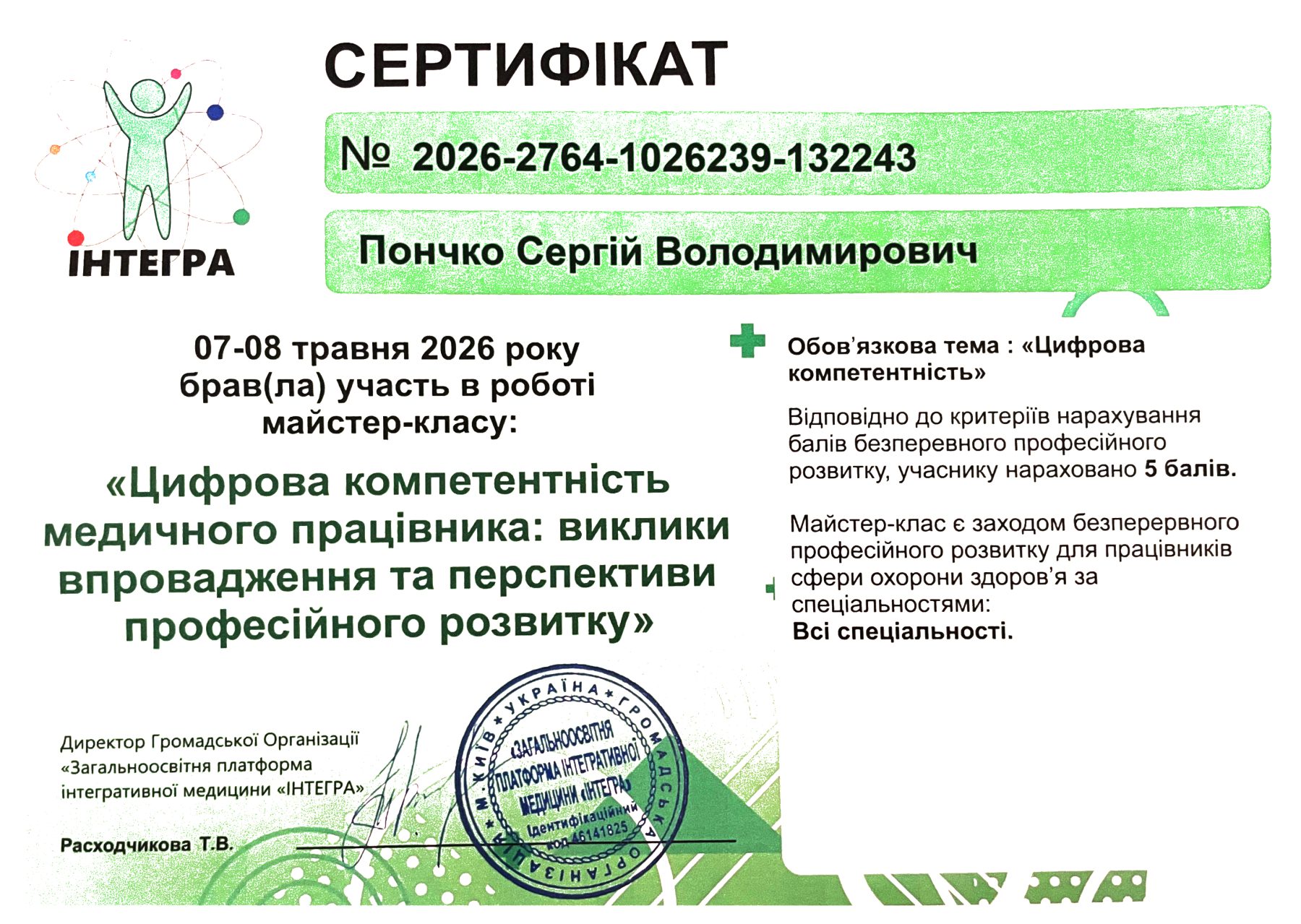
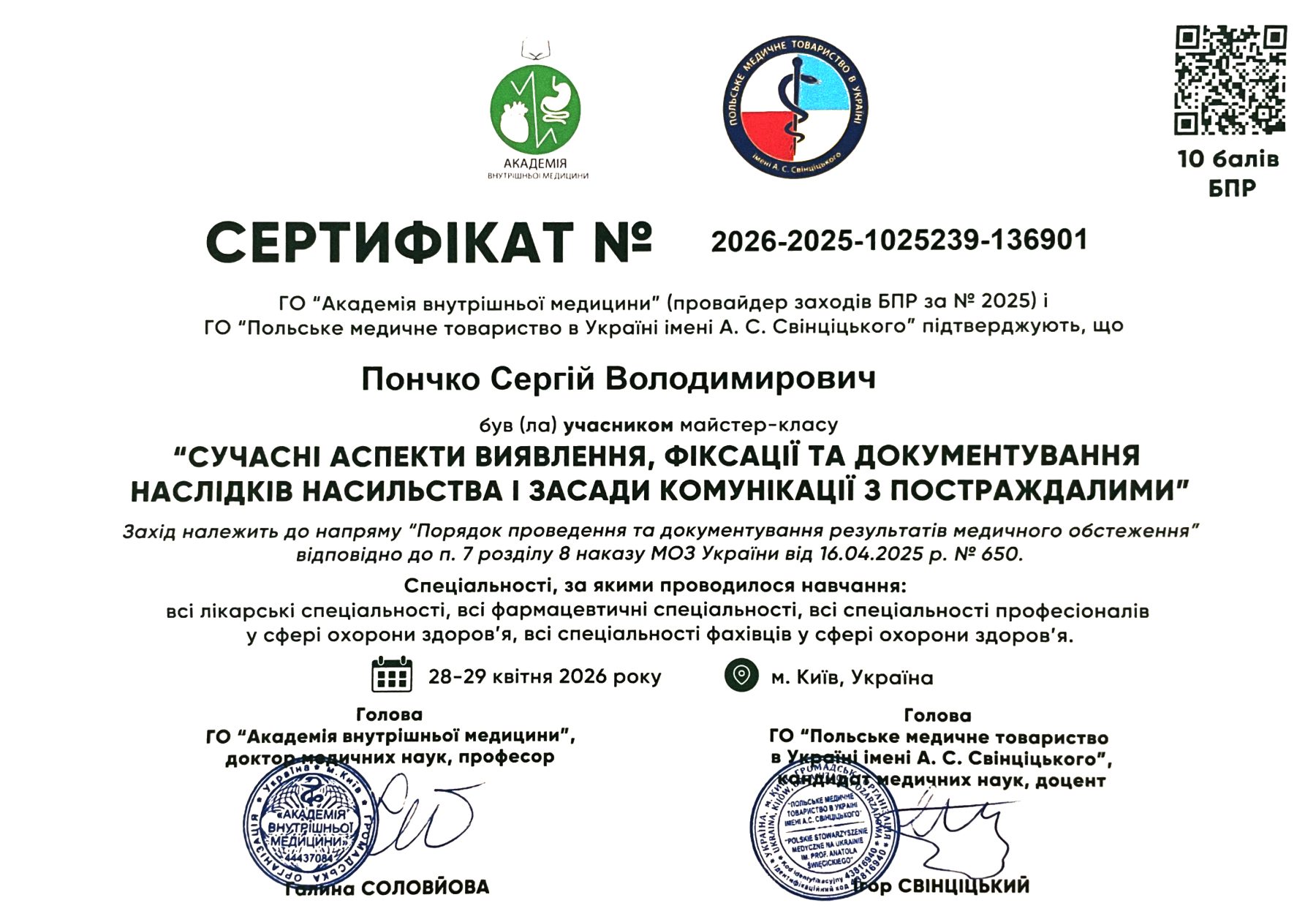
Advanced training certificates

Publications and appearances in the media

Publishing activities

  • Tick-borne infections: modern clinical, epidemiological, diagnostic and therapeutic aspects
    P. L. Shupyk National Medical Academy of Postgraduate Education, 2019
    Official educational and methodological manual for interns and practicing doctors: clinic, diagnostics and treatment of tick-borne infections. Approved by the P. L. Shupyk National Medical Academy of Medical Sciences. A topic that is becoming increasingly relevant with warming and the spread of ticks

Telomeres: how we measure the pace of aging

Telomeres are protective regions at the ends of chromosomes. With each cell division, they shorten, and when the resource is exhausted, the cell loses its ability to renew itself. Therefore, telomere length is considered one of the informative markers of biological, not passport, age.

The rate at which telomeres shorten differs from person to person. Research points to chronic stress, disrupted sleep, smoking, a sedentary lifestyle and inflammatory processes as contributing factors. Some of these are within a person’s power to change.

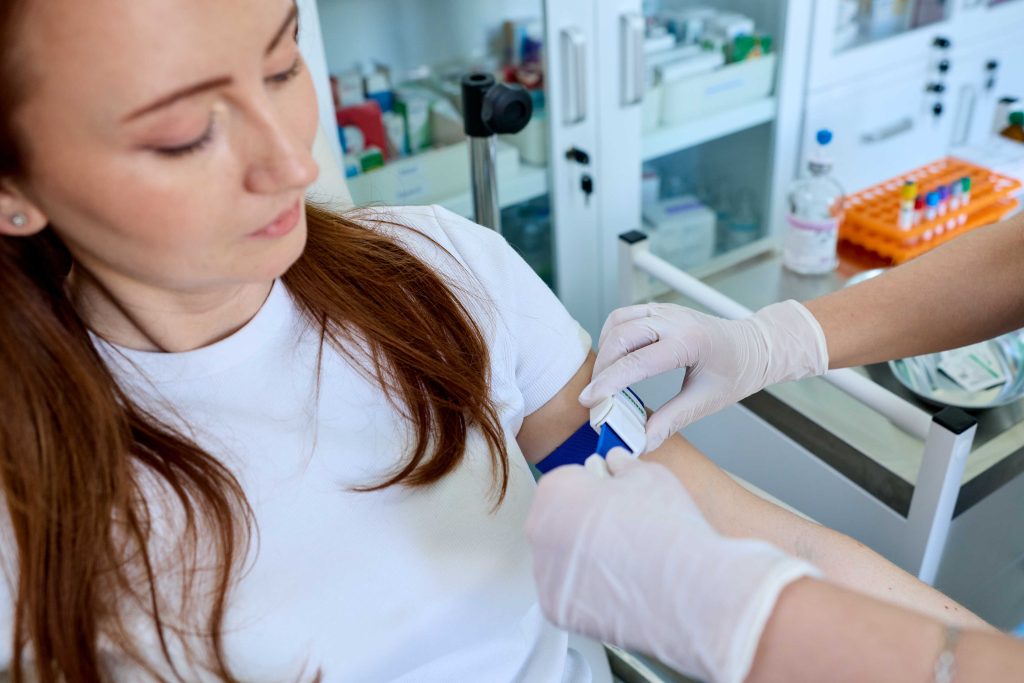
Лабораторна діагностика у Forest Retreat Center
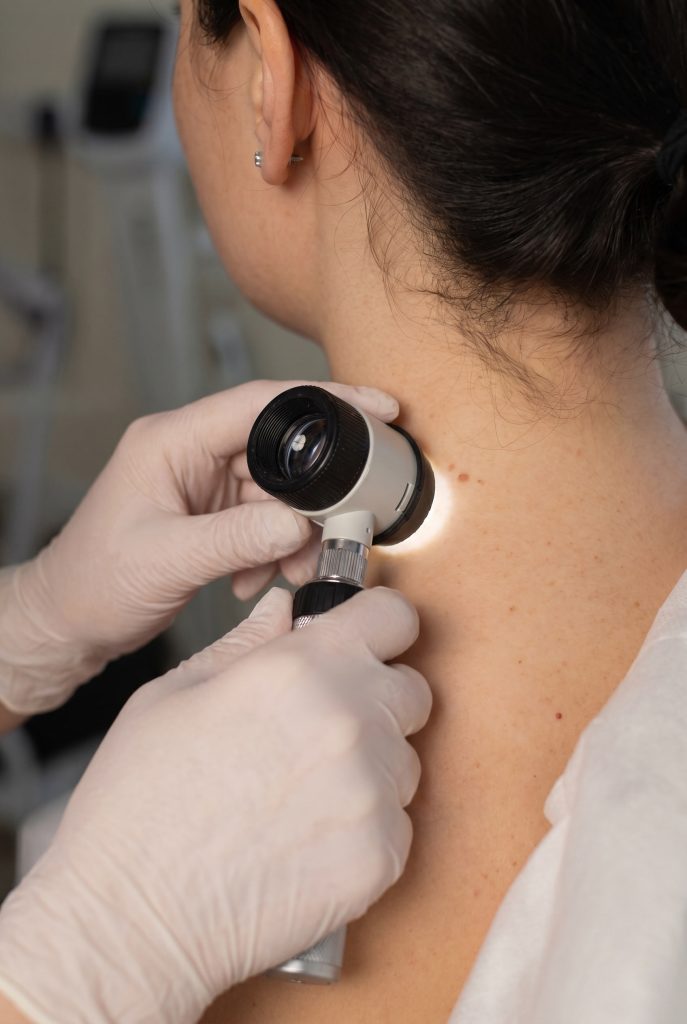
Laboratory diagnostics at Forest Retreat Center

What we do

  • assess biological age and markers of cellular aging as part of the diagnostic stage
  • identify your personal accelerators of aging: inflammation levels, metabolic markers, sleep quality, stress levels
  • build a programme aimed at the factors that can genuinely be corrected

We deliberately do not promise to “lengthen telomeres” with a course of procedures. Scientific data on the reverse effect on telomere length is limited and cautious. A realistic and honest goal is to slow the rate of cellular aging by influencing modifiable factors, and to record this dynamics in repeated measurements.

Sleep quality: the underrated resource of longevity

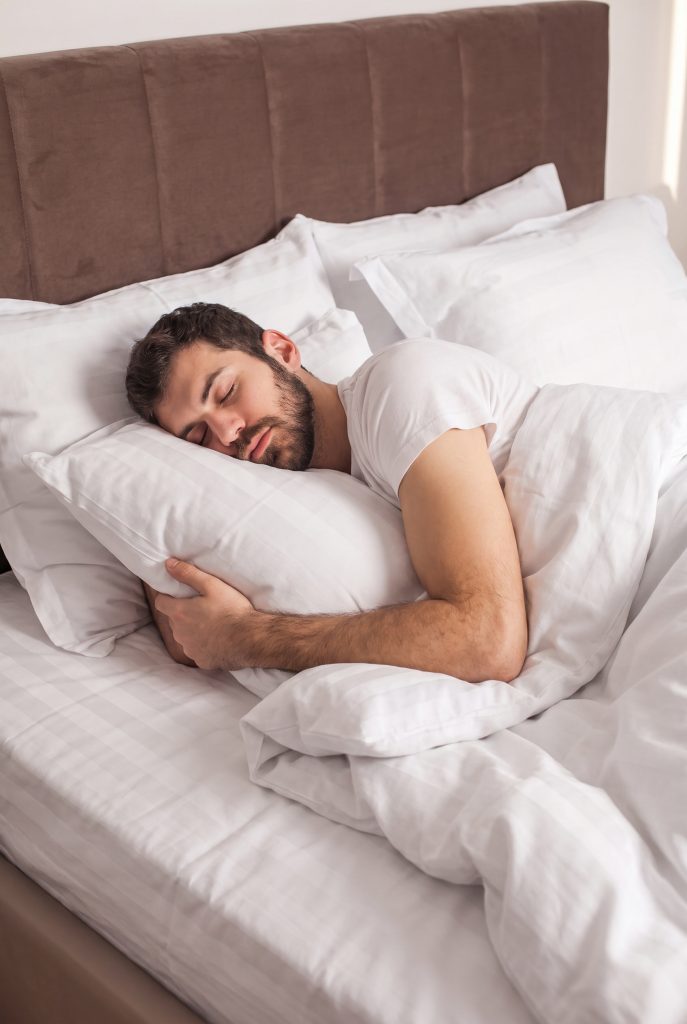
Sleep is the period when the body does its main work of recovery: cleansing the brain of metabolic products, regulating hormones, consolidating memory, restoring the cardiovascular and immune systems. Chronic lack of deep sleep is associated with increased inflammation, metabolic disorders and, according to a number of studies, with accelerated shortening of telomeres. That is why we consider sleep and cellular aging together.

The trouble for most people is that they judge their sleep subjectively. The feeling of «I slept fine» and the actual architecture of that sleep often do not match.

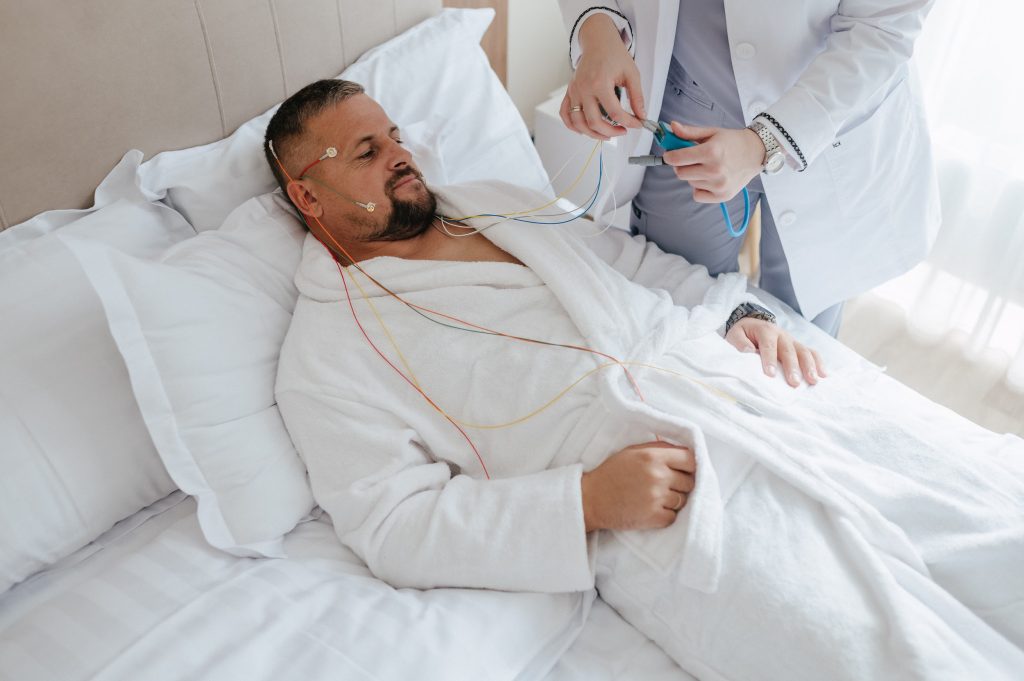
Дослідження сну у Forest Retreat Center
Sleep research at Forest Retreat Center

What we do

  • run sleep diagnosticsto see an objective picture rather than a self-assessment
  • analyse how sleep relates to heart function and stress levels
  • pin down what exactly is standing in the way of your deep sleep and put together a plan to fix it
  • use the forest environment and matching practices as part of restoring your natural sleep rhythm

Sleep diagnostics is included in the comprehensive cardio check-up at Forest Retreat Center alongside the heart assessment, because sleep quality and cardiovascular health are closely connected.

Nature and stress: environment as part of recovery

Chronic stress is among the most powerful accelerators of aging. Persistently elevated cortisol sustains low-grade inflammation, worsens sleep and, according to a number of studies, is associated with faster telomere shortening. This is why we treat stress management on a par with our other preventive tools.

The natural environment acts on this process directly, and the centre uses it systematically rather than as a backdrop. The forest we work in lowers the physiological load that sets off the cascade of premature aging. Several practices in our programme are built on that effect.

Shinrin-yoku: guided forest practices

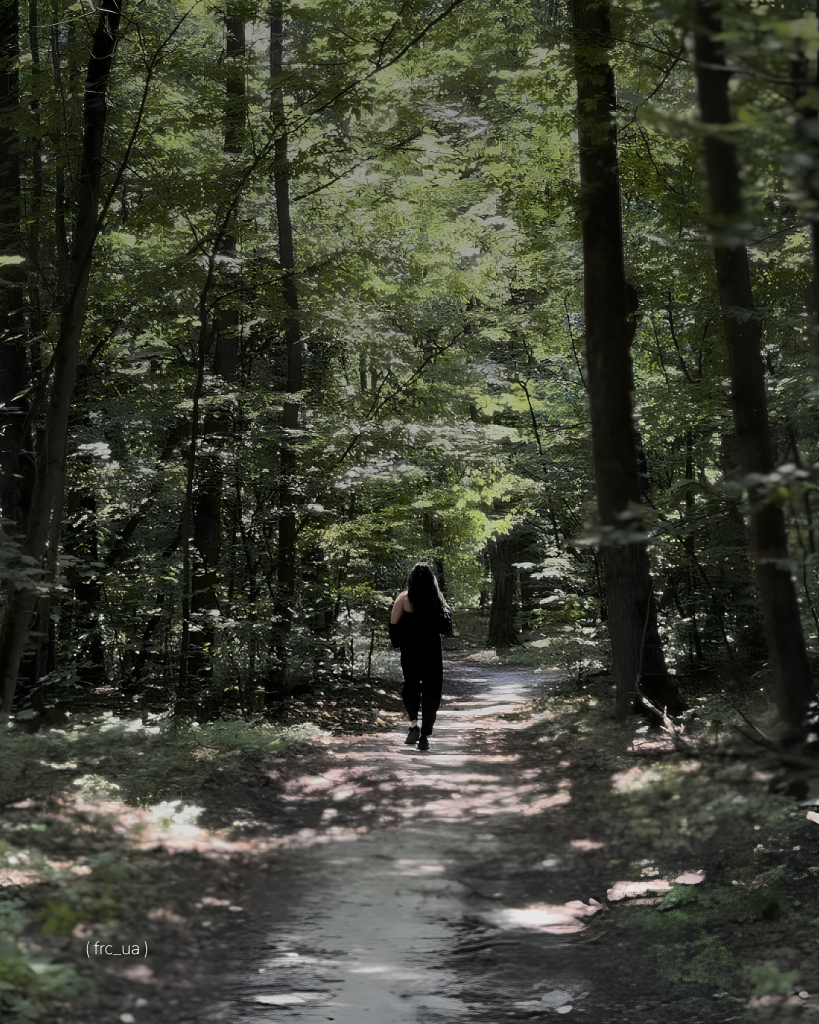
Shinrin-yoku, or forest bathing, comes from Japanese preventive medicine and today rests on a solid body of evidence. It is not a walk for the sake of step count but slow, deliberate presence that engages every sense. At Forest Retreat Center these sessions run with a guide.

Studies record a measurable physiological effect. A meta-analysis by Antonelli and colleagues showed that forest practices significantly lower cortisol as a stress biomarker. The classic field study by Park across 24 forests in Japan recorded lower cortisol, blood pressure and pulse rate, along with a shift in autonomic nervous system balance towards recovery.

Шінрін-йоку - лісові практики у Forest Retreat Center
Shinrin-yoku - forest practices at the Forest Retreat Center

Research behind this

  • Antonelli M. et al. Effects of forest bathing (shinrin-yoku) on levels of cortisol as a stress biomarker: a systematic review and meta-analysis (2019) doi.org/10.1007/s00484-019-01717-x
  • Park B. J. et al. The physiological effects of shinrin-yoku: evidence from field experiments in 24 forests across Japan (2010) doi.org/10.1007/s12199-009-0086-9

Yoga, meditation and sound healing

Alongside forest practices we use tools that specifically lower physiological arousal and return the nervous system to recovery mode.

Yoga combines movement, stretching and breath work. Slow, conscious breathing raises heart rate variability, one of the markers of a healthy nervous system balance. Meditation trains attention and helps break the loop of chronic anxiety that keeps the body permanently mobilised. Sound healing with singing bowls and bells works through sound and vibration: an even resonance helps the body drop into the deep relaxation where recovery begins.

We do not set these practices against diagnostics, we combine the two. First we measure your stress markers, then we match practices to your condition, and at the end of the programme we show the change in numbers.

What we do

  • measure stress markers and indicators of nervous system recovery
  • run guided forest practices (shinrin-yoku)
  • build yoga, meditation and sound healing into your personal programme
  • use the natural rhythm of the day and quiet as part of recovery
  • show the trend: how your stress markers change over the course of the programme

Infection prevention: a field we have studied for years

Infection prevention is one of the areas that the center’s scientific and medical team has been working on for a long time. It is led by Lyubov Kotsiubaylo, who has been researching acute respiratory and imported infections for over a decade. Back in 2017, she defended her thesis, which was entirely devoted to coronavirus infections in adults. This happened a few years before the world faced the COVID-19 pandemic.

Since then she has published a series of papers on coronaviruses, influenza, West Nile fever and the readiness of health systems for new pathogens. These questions remain pressing for Ukraine, where climate change and bird migration routes bring in infections that were untypical for our region until recently. Our prevention work draws on that experience: we start from the position that most infectious threats can be anticipated and headed off in advance.

Publications in this area

  • Strategy for the use of antipyretic drugs (2025) Why electrolyte balance matters for the heart during COVID-19 and how to correct it in time (Oral and General Health, 6(2), pp. 63–69)
  • The impact of electrolyte disturbances on the course of heart damage in COVID-19 and the possibilities of correction (2025) Why electrolyte balance matters for the heart during COVID-19 and how to correct it in time family-medicine.com.ua/article/view/321227
  • West Nile fever in Ukraine (2024) The clinical and epidemiological features of an arboviral infection spreading in Ukraine as the climate changes. The topic became especially tangible after the 2024 outbreak in Kyiv. doi.org
  • What is Disease X? (2024) On the WHO concept and how prepared medicine is for a future unknown pathogen with pandemic potential. doi.org
  • Current principles of adjuvant therapy for COVID-19 (2020) What supportive measures really help a patient recover alongside primary treatment? Family Medicine, 2020, No. 4, pp. 12–14
  • The impact of the TLR7 gene on the progression of liver fibrosis in HIV-infected patients with chronic hepatitis C (2019) Genetic research into why liver scarring progresses more quickly in some patients than in others. Zaporozhye Medical Journal, 21(3)
  • Tick-borne infections: modern clinical, epidemiological, diagnostic and therapeutic aspects (2019) Official educational and methodological manual for interns and practicing doctors: clinic, diagnostics and treatment of tick-borne infections. Approved by the P. L. Shupyk National Medical Academy of Medical Sciences. A topic that is becoming increasingly relevant with warming and the spread of ticks.
  • Analysis of whooping cough incidence in Poltava region (2018) Epidemiological analysis of the incidence of pertussis, an infection that is returning where vaccination is weakening. womab.com.ua
  • Laktimak Forte: prevention of dysbiosis in patients with acute respiratory viral infections (2018) How to maintain intestinal microflora during respiratory infection and after treatment health-ua.com
  • Bacteriophages as antimicrobial agents: modern possibilities for preventing antibiotic resistance (2017) Bacteriophages as a response to bacterial resistance to antibiotics are one of the most promising areas of modern infectious diseases. Read the PDF
  • Algorithm of action for a doctor when treating a patient with a tick bite (2016) A clear algorithm of actions after a tick bite. A topic that is becoming increasingly relevant with the increasing number of tick-borne infections. scholar.google.com.ua
  • Modern immunotropic therapy of patients with coronavirus infections (2016) An analysis of patients’ immune status and treatment approaches. researchgate.net
  • Community-acquired pneumonia associated with coronaviruses in adults with acute respiratory viral infections (2015) Research into coronavirus pneumonia — even before the topic became common knowledge researchgate.net
  • Coronavirus infections: the threat posed by MERS-CoV (2015) A review of coronavirus infections and Middle East respiratory syndrome. mif-ua.com

We collect our own data

Forest Retreat Center gathers and analyses its own clinical data. This lets us test hypotheses on our own patients and notice patterns that are not always visible in the wider literature.

What we are working on

  • retrospective studies based on our clients’ diagnostic results
  • comparative analysis of telomere length: in our observations, people from combat and shelling zones have shorter telomeres
  • sleep disorders in wartime and their effect on the body’s recovery
  • the impact of war on life expectancy in Ukraine

This data feeds into our programmes and makes personal recommendations more precise. The more we measure, the better we understand which drivers of aging can be corrected in your particular circumstances.

From research to your programme

A scientific approach only means something when it turns into a concrete plan. At Forest Retreat Center, diagnostic results form the basis of personal programmes.

Longevity Program

INTRO · CORE · BIOHACKER

A full assessment of biological age and the factors behind aging, followed by a personal prevention strategy.

Comprehensive cardio check-up and sleep study

Heart and sleep

Laboratory diagnostics, cardiac ultrasound, treadmill test and sleep diagnostics in a single protocol.

Therapeutic Check-Up

Core diagnostics

Assessment of the body’s systems with a consultative report and recommendations.

health blog