The fifth year of full-scale war. Insomnia is one of the most common complaints to family doctors and psychotherapists, and the number that clinics see continues to grow. In Forest Retreat Center, the center for longevity and preventive medicine in Holosiivskyi Forest, explain what sleep is actually responsible for, why it breaks down during chronic stress, and what you definitely shouldn't do.
What is sleep responsible for?
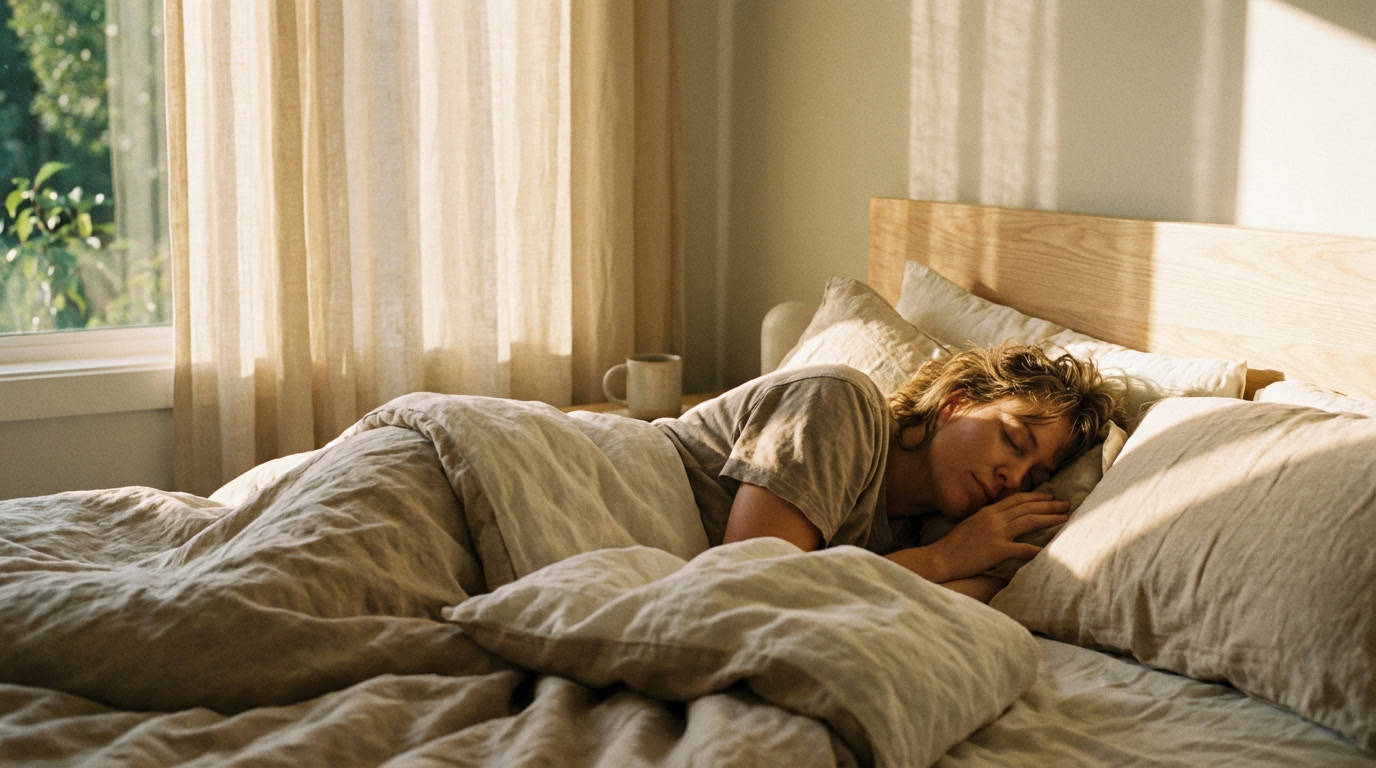
A person spends a third of their life sleeping. During this time, almost everything happens in the body that there are no resources left for during the day.
Deep sleep, especially in the first half of the night, is a time of physical recovery. Growth hormone is released, tissues, muscles, and mucous membranes regenerate. It is during sleep that the immune system produces cytokines that control the inflammatory response and protection against infections. One sleepless night reduces the activity of natural killer cells – cells that are the first to encounter viruses and tumor cells – by approximately 70%. Chronic sleep deprivation significantly reduces the effectiveness of vaccines and slows down healing.
At night, the brain's glymphatic system is active - a kind of "sewerage" that washes out protein residues, in particular beta-amyloid, from the intercellular space. Its excessive accumulation is associated with the development of Alzheimer's disease. During the day, this system is almost inactive: cleaning occurs mainly in deep sleep.
REM phase, rapid eye movement sleep, prevails in the second half of the night and is responsible for the psyche. The brain reprocesses the experiences of the day, reducing the emotional charge of events. After a good sleep, yesterday really seems less acute - this is the work of REM. This same phase consolidates new skills and forms unexpected associations: an idea that “came in the morning” is often not a metaphor, but a direct effect of nightly information processing.
Between phases, a person goes through 4–6 cycles of approximately 90 minutes each. Waking up in the middle of a cycle leaves you feeling groggy even after eight hours in bed.
And another level: sleep controls appetite hormones (leptin and ghrelin), glucose levels, blood pressure, cortisol. Chronic sleep deprivation is an independent risk factor for stroke, heart attack, type 2 diabetes, depression, and weight gain. It’s like the background against which everything else gradually wears out.
Why war strikes first at sleep
Air raid warnings, explosions, news, constant background readiness to react – everything that Ukrainians have learned over these five years, the nervous system reads the same way: threat. Cortisol levels remain elevated in the evening, although they should be falling. The brain remains in alert mode.
Next is fragmentation. An alarm in the middle of the night, even a short one, knocks you out of the deep phase. You won’t be able to return to the same depth by morning – the architecture of sleep is lost. If you add watching a tape before bed, the body receives a nice signal “get ready for action” exactly when it should be switching to recovery.
In symptoms it looks like this:
- falling asleep longer than usual, often by an hour or an hour and a half;
- superficial sleep, frequent awakenings from minimal sounds;
- vivid, disturbing, repetitive dreams – overloaded REM;
- morning "broken" awakening even after a formal eight hours of sleep;
- daytime drowsiness on the background of chronic fatigue, impaired concentration.
Women and men sleep differently
Women naturally sleep longer than men – on average 11–13 minutes. The female brain performs more parallel cognitive tasks, and the need for recovery is objectively higher. In practice, women suffer from insomnia 1.5–2 times more often: chronic stress, hormonal fluctuations (luteal phase, pregnancy, menopause) and higher levels of anxiety overlap this advantage.
Men are more likely to have obstructive sleep apnea – breathing stops during sleep. Sleep apnea can go unnoticed for years because it is literally invisible to the person themselves: they wake up in the morning, feel exhausted and don’t understand why. The main alarming marker is snoring with noticeable pauses, after which you seem to “gather” air.
When is this a diagnosis?
Chronic insomnia is said to occur if one of the following symptoms occurs at least three times a week for three months:
- falling asleep for longer than 20–30 minutes;
- waking up at night without being able to fall asleep for another 30+ minutes;
- waking up much earlier than planned;
- daytime drowsiness, deterioration of concentration, memory, mood.
Separately, there are "red flags" that should prompt you to see a doctor without delay: snoring with pauses in breathing, unpleasant sensations in your legs in the evening that make you want to move, waking up with a feeling of suffocation or heart palpitations, sudden muscle relaxation during laughter or strong emotions (possible narcolepsy), falling asleep at the wheel.
What you definitely shouldn't do
The most common self-help strategies – and they all mostly make things worse.
"Sleep in" on the weekends. The difference between waking up on weekdays and waking up on weekends of more than an hour and a half gives the effect of a weekly flight through several time zones. The circadian rhythm simply does not have time to stabilize.
Sleeping pills as a first step. Masks the cause instead of treating it. Benzodiazepine drugs increase the proportion of superficial sleep and reduce REM: subjectively, a person falls asleep faster, objectively, the quality of sleep decreases. With prolonged use, addiction is formed.
Alcohol "for relaxation." Falling asleep is accelerated, but the second half of the night becomes fragmented, REM is suppressed. In the morning - headache, anxiety, feeling of lack of rest.
Checking the time in the middle of the night instantly activates the brain and starts counting down the “how much time do I have left?”
Lying in bed for a long time and “trying to fall asleep” forms a stable association: bed – anxiety. Then it will work against you every night.
What really helps
Evidence-based medicine is clear: the first choice for chronic insomnia is cognitive behavioral therapy for insomnia (CBT-B). In the long term, it is more effective than sleeping pills, has no side effects, and is not addictive. Some of the advice can be implemented at home.
Bed is for sleeping only. Not for the phone, TV shows, food, or work. If you can't sleep for 15–20 minutes, get up, do something quiet in dim light, and come back when you feel like it.
A stable rise time is every day, including weekends. It is the morning that sets the circadian rhythm, not the time of day off.
The temperature in the bedroom is 18–20 °C. The body falls asleep when it cools down.
Caffeine – until 2:00 p.m. Half-life – 5–7 hours.
No screens an hour or two before bed. Or at least no newsfeeds and work emails.
Breathing with a longer exhale than an inhale is the easiest and most accessible way to shift the body from sympathetic to parasympathetic mode. It works during anxiety, after waking up at 4 a.m., before falling asleep.
Which doctor to go to?
Family doctor or therapist – first step. Excludes somatics: thyroid, anemia, deficiencies, chronic pain.
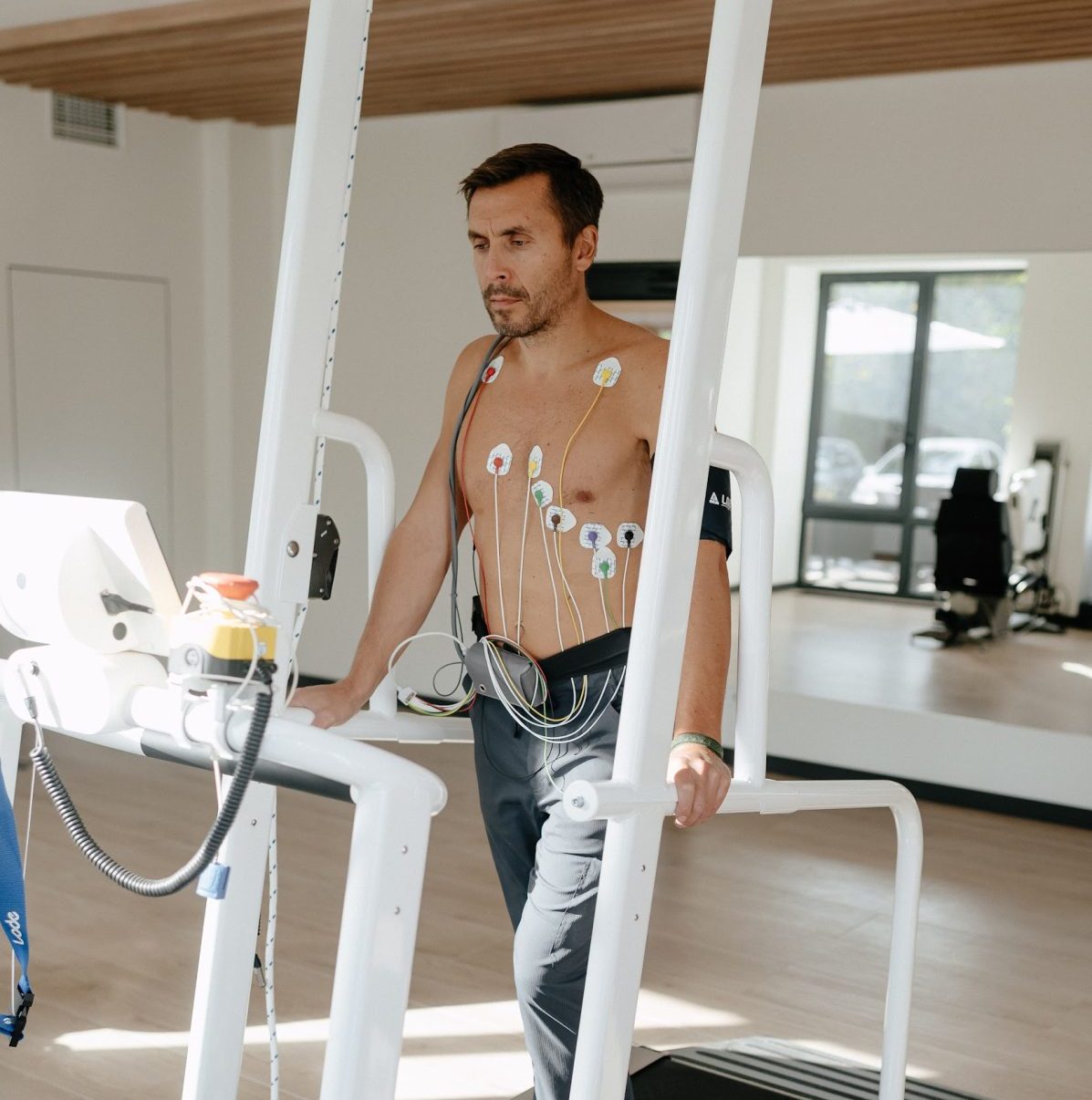
Somnologist – if apnea, restless legs syndrome, narcolepsy are suspected. Prescribes polysomnography (night study in the laboratory with simultaneous recording of EEG, ECG, pulse oximetry, respiration and movements) or actigraphy – a clinically validated bracelet that a person wears for 7–14 days in the usual rhythm of life.
Neurologist – if sleep suffers due to pain, neurological symptoms, after concussions and injuries.
Psychiatrist or psychotherapist – for chronic insomnia with anxiety or depressive disorder, PTSD. CBT-B – within the competence of a psychotherapist.
Endocrinologist or gynecologist – when sleep is disrupted due to hormonal cycles, pregnancy, or menopause.
Instead of a conclusion
Sleep is the cheapest recovery tool a person has. During the day, the body doesn't have the resources to do this. That's why war hits sleep first: when the nervous system is on call 24/7, there's no time left for recovery.
If something is wrong with your sleep, you should not relax, but pay attention. This is a signal that is worth the lack of sleep.
The material was prepared by Forest Retreat Center – a center for longevity and preventive medicine in Holosiivskyi Forest, Kyiv. License of the Ministry of Health No. 2187 dated 12/27/2024. frс.com.ua